

Loading articles
Get the latest updates, tips, and insights on mineral rights, oil, and gas.
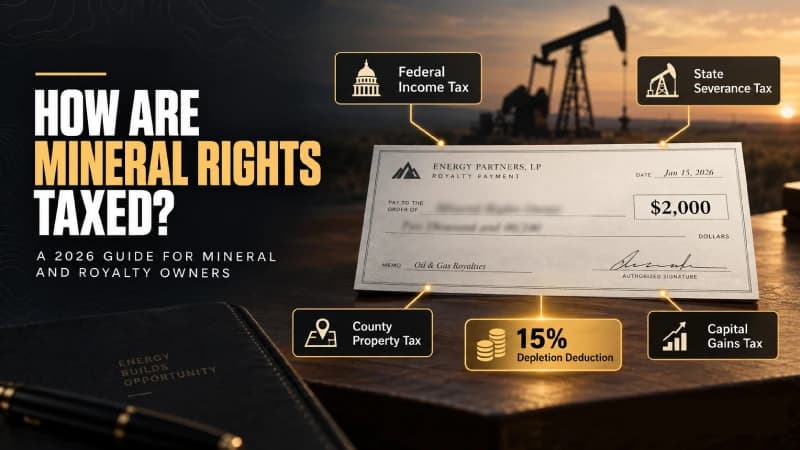
A Texas royalty owner gets a $2,000 check in January. By April, four different governments want a piece of it - and one of them already took theirs before the check was even cut. Federal income tax. State severance tax. County property tax. And if the owner ever sells, capital gains tax on top. Most mineral owners know they owe something. Almost none know exactl…
Read →
Enhanced oil recovery (EOR) is a set of tertiary techniques that extract oil left behind after primary and secondary production. By injecting CO₂, steam or chemicals into a reservoir, operators raise total recovery from roughly 20–40% of the original oil in place to 30–60% or more. Once the traditional well runs dry, it does not necessarily go dry. As a matte…
Read →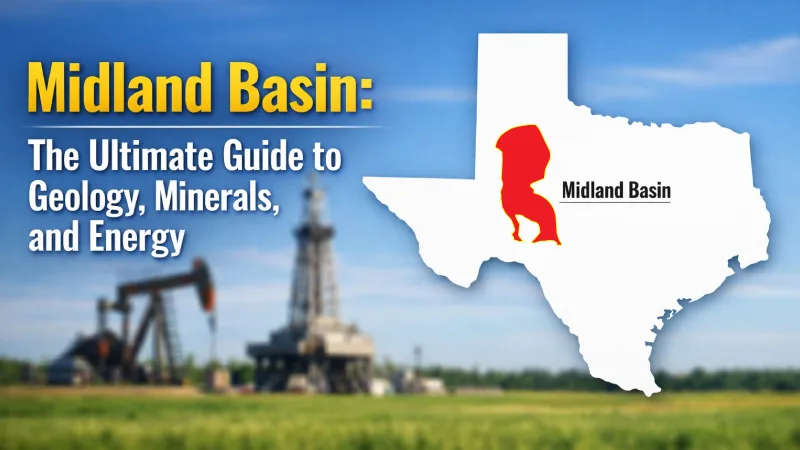
The story of Texas energy isn't just about what’s on the surface; it’s about a massive, ancient bowl of rock buried miles beneath the red dirt of West Texas. If you have ever driven through the city of Midland and seen the "Tall City" skyline rising out of the desert, you are standing on the edge of one of the most significant hydrocarbon accumulations on the planet…
Read →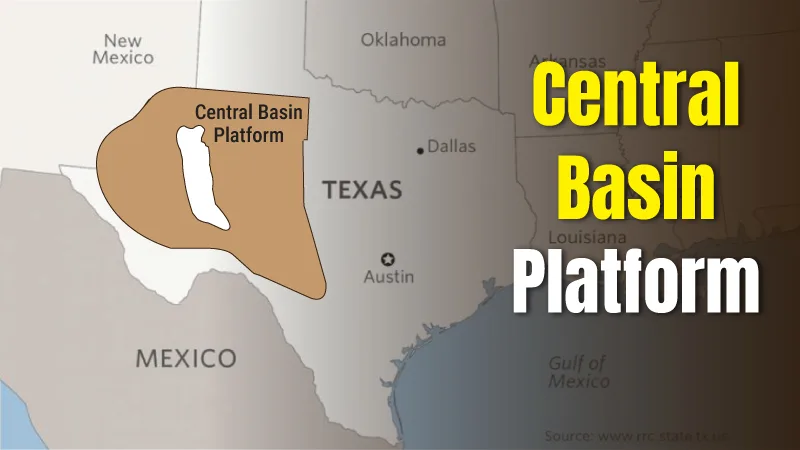
The Central Basin Platform is an uplifted block of rock in West Texas and southeastern New Mexico that splits the Permian Basin in two — the Delaware Basin to the west and the Midland Basin to the east. It covers roughly 6,400 to 7,000 square miles across eight Texas counties, and its oil sits shallow: most wells produce from 3,000 to 8,000 feet. For many years, the Central…
Read →
The fracking pros and cons debate looks very different depending on who you are. For Texas mineral owners, hydraulic fracturing ("fracking") has transformed oil and gas development by unlocking shale reserves that were previously considered uneconomic to produce. The benefits are substantial: access to previously unrecoverable reserves, materially higher production rates, increa…
Read →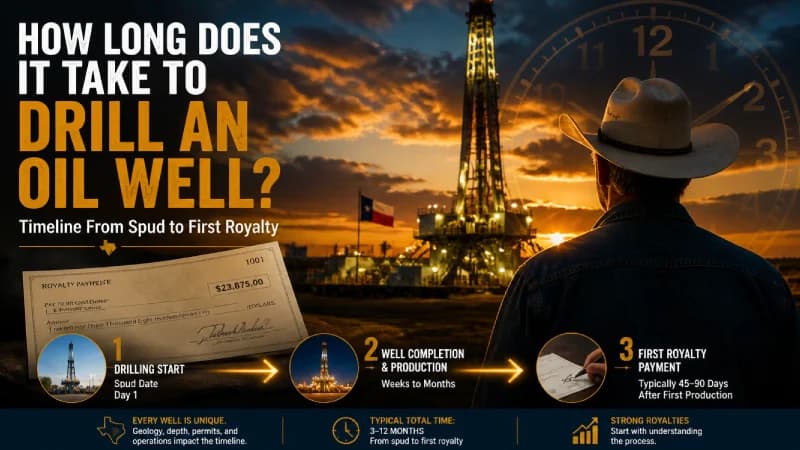
If you can see a drilling rig operating on or near your Texas acreage, one of the first questions that naturally comes to mind is: How Long Does It Take to Drill an Oil Well? More importantly for mineral owners, how long will it take before the well actually starts producing and royalty payments begin? Drilling a modern horizontal oil well in Texas typically takes 15 to 60 days from spu…
Read →
For many Texas mineral owners, an oil and gas lease offer arrives before they fully understand what they are being asked to sign. A landman may call, a standard lease form may arrive, and the owner may feel pressure to respond quickly. This guide explains what an oil and gas lease is, which terms matter most, and what Texas mineral owners should review before signing, so they can make a more infor…
Read →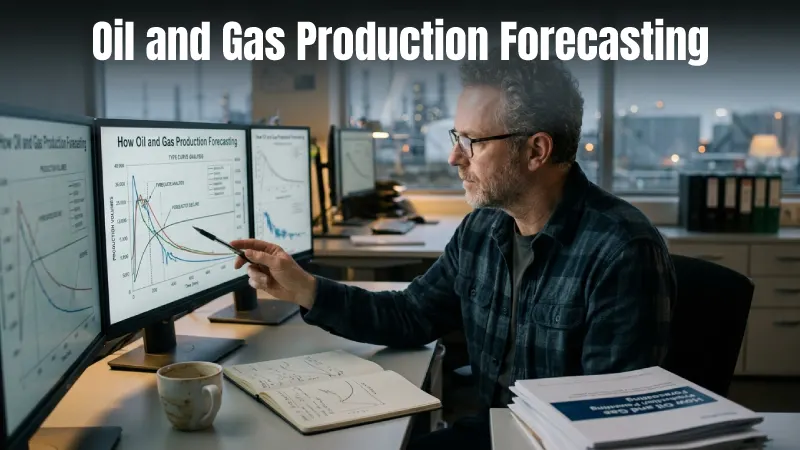
"Every producing well tells a story, but only if you know how to read it." For Texas mineral owners, that story is written through oil and gas production forecasting. It determines how production declines, how long a well will generate revenue, and ultimately how valuable that asset becomes over time. While production numbers are publicly available through the Texas Railroad Com…
Read →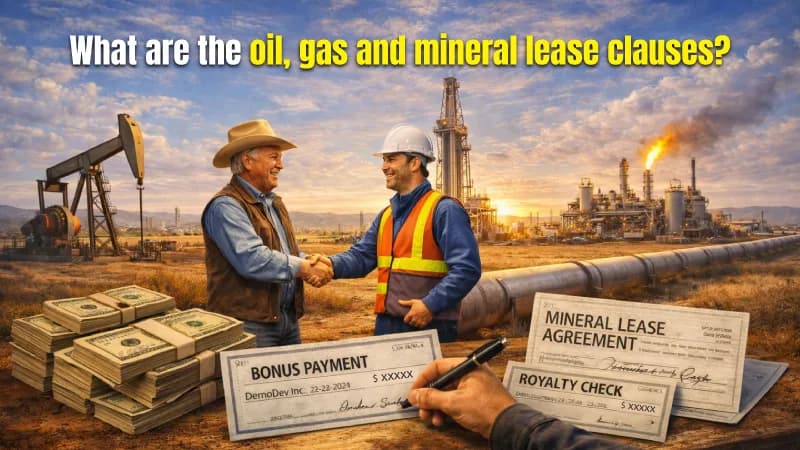
A mineral lease may look like a standard document, but in reality, it’s where the true value of your minerals is decided. Certain important terms can determine how much you earn, how long your land stays locked, and whether you benefit from future opportunities or miss them entirely. That’s why understanding oil, gas, and mineral lease clauses is essential.&#…
Read →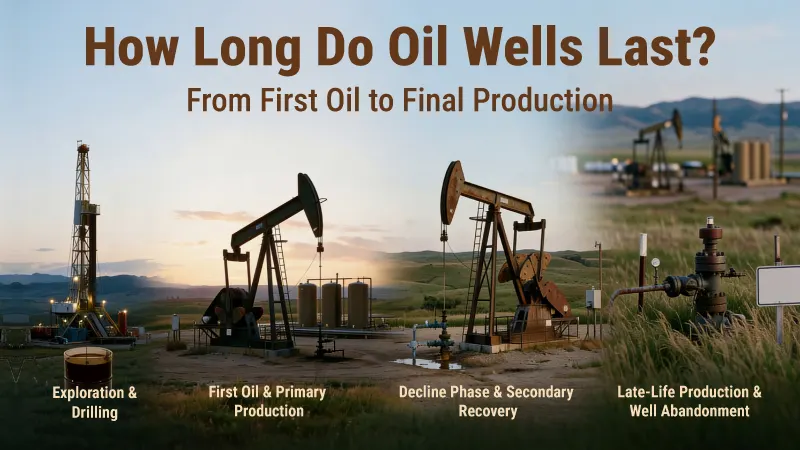
How Long Do Oil Wells Last? If this question has crossed your mind, you are not alone. Many mineral owners in Texas lease their land hoping to receive royalty income for years, sometimes even generations. Yet the reality is not always the same for every well. Some wells stop producing sooner than expected, while others continue generating oil and gas for decades. The lifespa…
Read →
Owning a piece of the Lone Star State is a dream for many, but in Texas, what you see on the surface is often only half the story. If you’ve ever walked across a Texas ranch and wondered if there’s a fortune sitting thousands of feet below your boots, you’re thinking about mineral rights in Texas. Whether you are a multi-generational landowner or a first-t…
Read →
Consider a scenario involving two neighbors in the heart of the Permian Basin, David Martinez and Laura Thompson. Both own 160 acres of family land passed down for generations. One Tuesday afternoon, a landman knocks on their doors with a “standard” lease offer: $500 per acre and a 1/8 royalty. David is thrilled. Seeing an $80,000 bonus check, he signs immediately and uses…
Read →
The Texas oil and gas industry has reached a remarkable milestone, over $27 billion in state and local taxes and royalties, according to TXOGA’s 2025 Annual Energy & Economic Impact Report. Behind these numbers are thousands of mineral owners receiving income from the resources beneath their land. For many landowners, oil and gas royalties provide long-term financial…
Read →
Imagine opening your mailbox to find a royalty check that is significantly larger than usual because of a new well on your family’s acreage in the Permian Basin. While that’s a win, it also comes with understanding the associated tax liabilities. Many Texas mineral owners treat their royalty checks like a simple paycheck; they deposit the money and pay taxes on the net amou…
Read →
Suppose there are two mineral owners in the center of the Permian Basin. The first owner sells his mineral rights at a life-changing price of seven figures. He achieves financial freedom, only to watch years later as new horizontal wells generate millions in royalties on land he no longer owns. The second owner decides to never sell mineral rights. He continues to get regular royalty che…
Read →
Once drilling is completed and the wellhead equipment (commonly known as the “Christmas Tree”) is installed, your role as a mineral owner shifts from leasing to production. Months, and sometimes years later, you may receive a formal document from the operator’s land department: the division order in oil and gas document. This document often looks complex, combining co…
Read →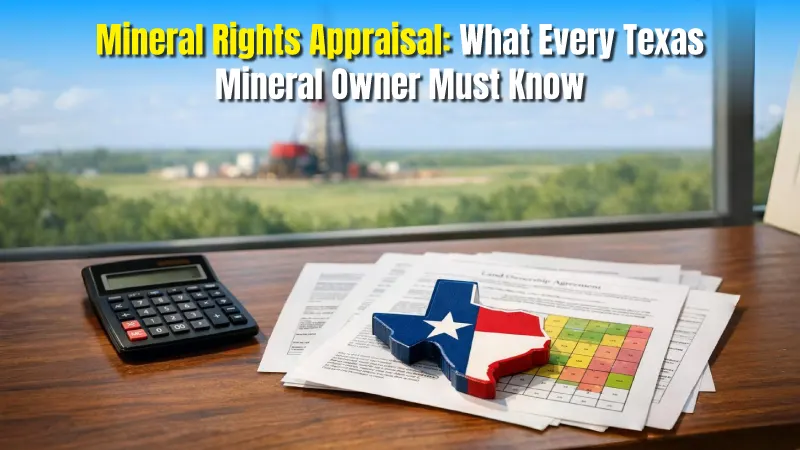
If you own land in Texas, you may have heard the saying that the real wealth lies beneath your feet. For many families, that value isn’t visible on the surface; it exists deep underground in shale and limestone formations. You might receive an offer to buy your minerals or inherit a small share in a producing well and wonder whether your monthly royalty check truly reflects its real wor…
Read →
If you own minerals in Texas, you have likely received a phone call or a letter from someone claiming they want to "lease your minerals." That person is a landman. To a beginner, the oil and gas industry can feel like a labyrinth of legal jargon, county records, and complex math. At the center of this maze stands a professional who translates the complex requirements of large-s…
Read →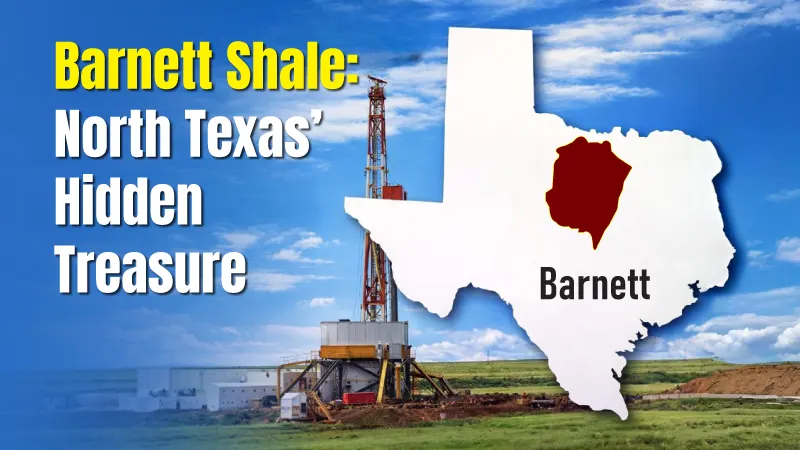
Before the Barnett Shale transformed North Texas, America’s natural gas supply was drying up. Experts warned that we were running out of fuel and would soon have to pay a fortune to import energy from overseas. But George Mitchell, a stubborn oilman from Houston, had a different plan. While everyone else saw a dead end, Mitchell saw a massive opportunity hidden deep underground. &#…
Read →
If you own minerals in the heart of the Midland Basin or across the sprawling Texas ranchlands, you likely know the feeling of watching a massive oil company plant a single flag on your property. You sign a lease covering 640 acres, they drill one decent well in the corner, and suddenly, your entire section is "held by production." For the next forty years, that one well keeps…
Read →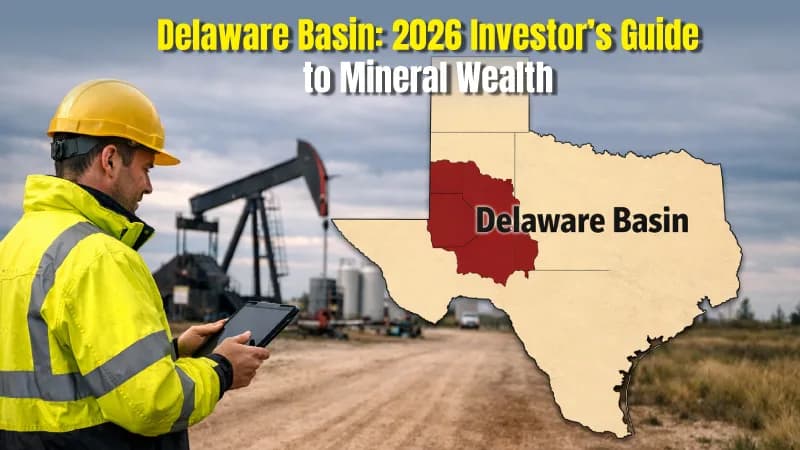
The Permian Basin is a title that is heavy in any boardroom in Houston to Dubai, yet to learn where the real heavy lifting of American energy occurs, you must go West, that is, into the Delaware Basin. The Delaware Basin functions as a vast, multi-layered subterranean reservoir system, characterized by high-porosity rock units and organic-rich intervals extending several…
Read →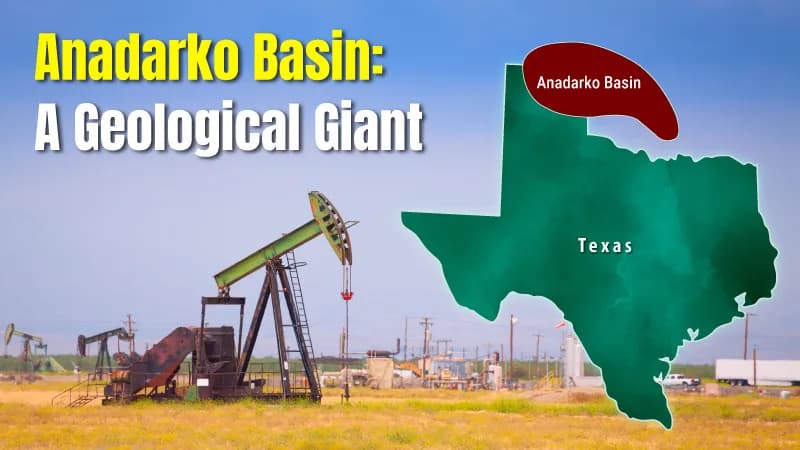
What many people imagine about the American heartland is the never-ending rolling plains and wheat lands but there is something below the surface of the Texas Panhandle and Western Oklahoma that is a geology giant. Peel back the earth, and there is a huge, bowl-shaped hole, stuffed with miles of prehistoric rock, pressurized gas and black gold. It is the Anadarko Basin, one of the most impor…
Read →
You must not look at the horizon anymore; you must look underneath it to really see land ownership in Texas. Texas, on the ground and the rocks way down in the ground are, in a way, two absolutely distinct legal worlds. This is how it is with the split estate, a notion that has been controlling the Texas land for more than 100 years. You may have inherited family property, or you…
Read →
Just imagine that you wake up and find out that a piece of land that was owned by your great-grandfather in the Permian Basin has been producing oil throughout the past ten years. You had no idea about the well, the oil company had lost track of you and the checks had been in a state vault at Austin. This is a common administrative reality for thousands of families under Texas Property…
Read →
As of January 2026, thousands of feet beneath your property, pressurized reservoirs of crude and natural gas are seeing a major resurgence due to new federal leasing incentives and export demand. You do not own the drilling rig, you did not employ the engineers, and you are not putting a penny of your savings on the job of getting that oil to the surface. But once a month, a check is include…
Read →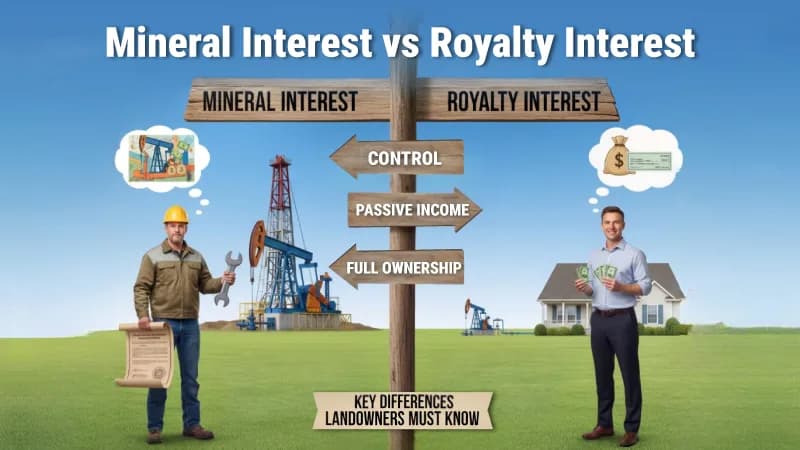
For any Texas landowner or heir discovering potential assets, distinguishing between Mineral Interest vs Royalty Interest is the single most important factor in determining your legal rights, tax liabilities, and wealth potential. While often used interchangeably, these terms represent distinct estates under Texas law: one offers perpetual control and lease bonuses, while the other…
Read →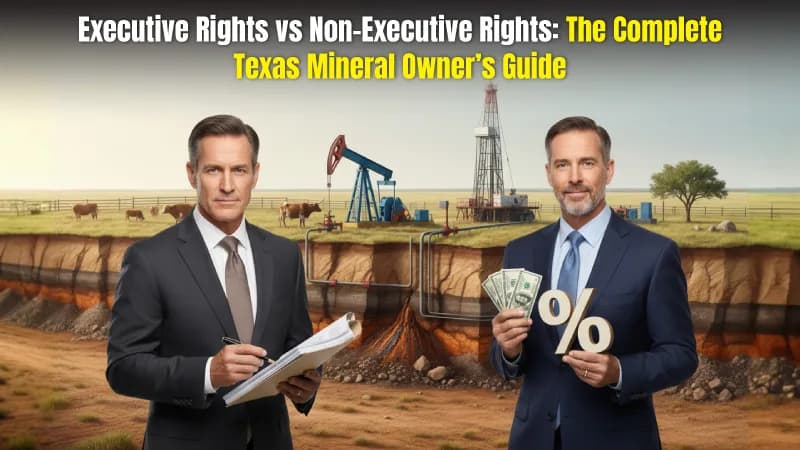
If you own land in Texas, you’ve likely heard that you own a "bundle of sticks." It’s a classic legal metaphor used to explain that property ownership isn't just one single right; it’s a collection of many. In the world of Texas oil and gas, the two most important sticks in that bundle are the power to make deals and the right to get paid. When a family inheri…
Read →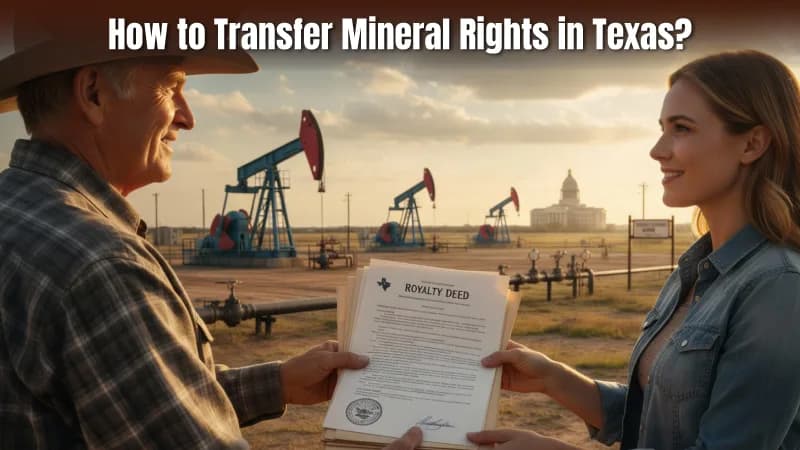
To transfer mineral rights in Texas, the owner must execute a valid deed (Mineral, Royalty, or Gift Deed) containing a precise legal description of the property. This deed must be notarized and filed with the County Clerk where the land is located, followed by submitting a certified copy to the oil operator to update pay records. The process of how to transfer mineral rig…
Read →
For many families, owning mineral rights feels a bit like owning a mystery box. Every month, a check arrives in the mail (or a deposit hits the bank), and with it comes a complicated piece of paper covered in tiny numbers, RRC lease ID codes, and confusing Post-Production Cost (PPC) deductions. You look at it, see that the amount is different from last month, and wonder, "Is this right?&…
Read →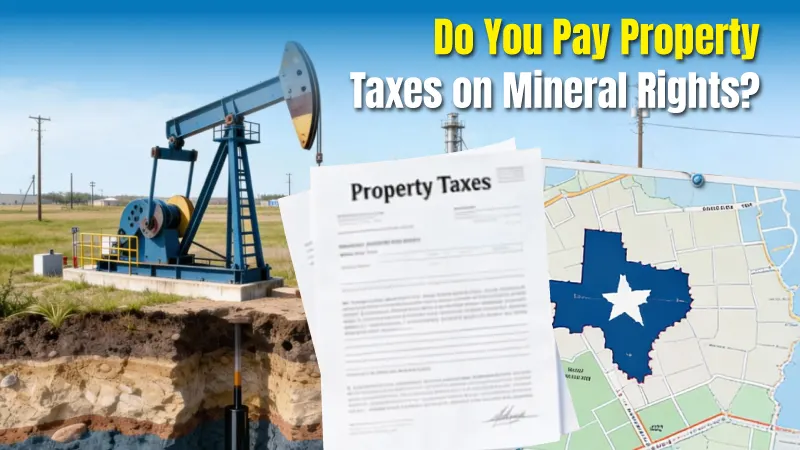
Mineral rights in Texas can be a reward to own financially but also can create puzzling questions, particularly on taxes. The mineral owners are often surprised to find out that although they do not own the surface land or run a well, they might still be charged a property tax bill. Many mineral owners are taken aback by their initial tax bill, particularly if they have no control over leasing dec…
Read →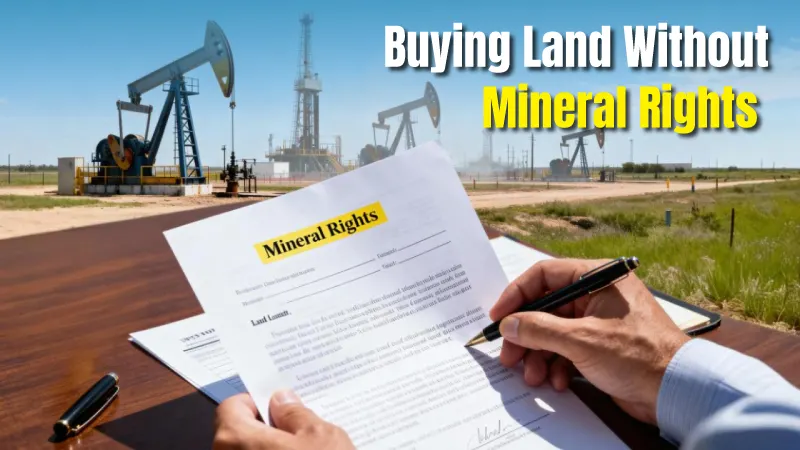
When you are thinking about purchasing rural property or land in the Lone Star State or elsewhere in the U.S., one of the most important questions you will face is, “What exactly am I buying?” Most individuals concentrate on the surface, such as the acreage, the quality of the soil, the availability of water and the view but fail to look at the one beneath the grou…
Read →
The process of inheriting the property is usually a bittersweet experience, but when the inheritance is the subsurface, then this process may soon turn into a puzzle. Inherited mineral rights in Texas are one of the rare types of real estate that possess their own regulations, customs, and legal norms of operation. Mineral rights are not visible, like a house or a parce…
Read →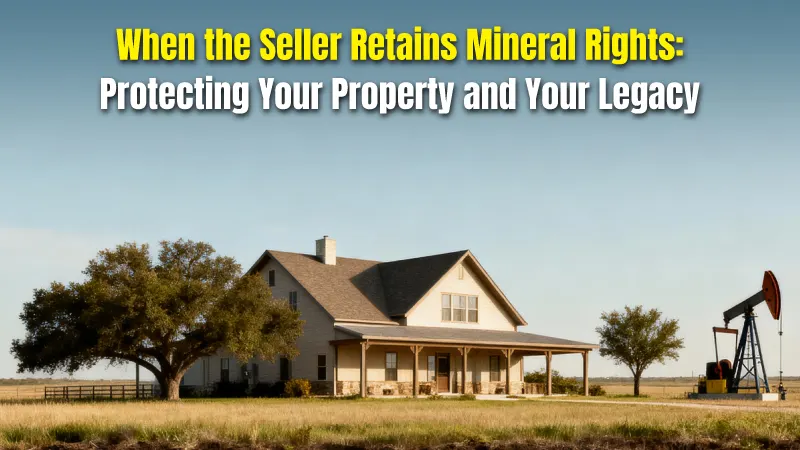
You have discovered the right ranch in Texas or Colorado. The house itself is gorgeous, the views are breathtaking, and the price appears exquisite. You put your hands together, you sign the papers and you are the owner of the land... or are you? A property sale does not necessarily involve a clean transfer in mineral-rich states such as Texas, Oklahoma and Pennsylvania. You may…
Read →
The legendary Texas oil patch has created fortunes for generations, and if you are a Texan who owns mineral rights, you hold a unique asset that comes with both the promise of life-changing wealth and the headache of risk. Waiting on those uncertain future royalty checks can be stressful, increasing your exposure to volatile oil prices, dry holes, and complex legal paperwork. If you are one o…
Read →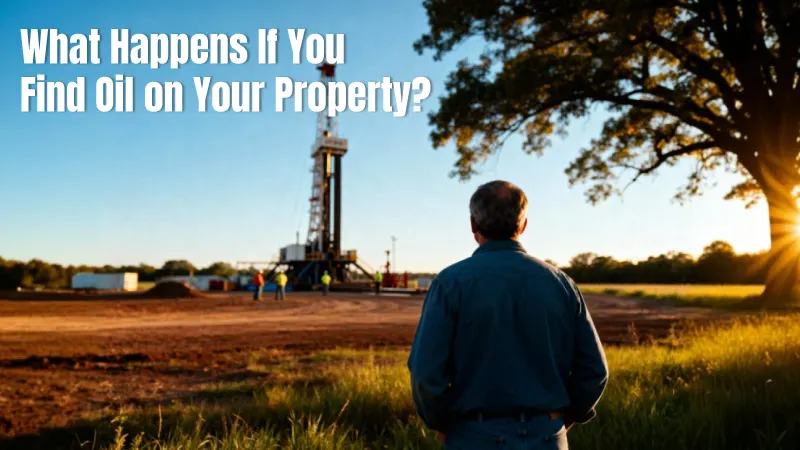
You’re going about your day when a polite call or letter arrives asking about the mineral rights tied to your land. For many Texas landowners, this is the first hint that there may be oil and gas interests beneath property they’ve owned for years. It naturally raises a big question: What Happens If You Find Oil on Your Property? Your mind may jump to lease bonuses an…
Read →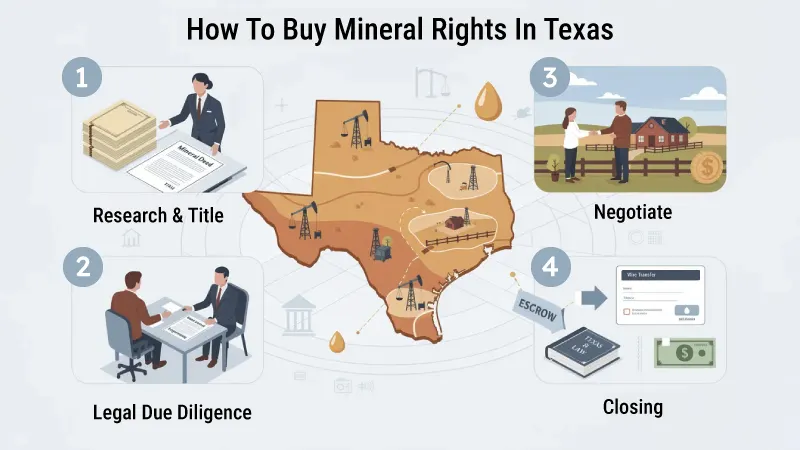
Are you trying to decipher how to buy mineral rights in texas? Surely, It is a clinical process with risk involved. However, we will give you a clear understanding of buying texas mineral rights! Through this comprehensive buying guide (with leasing and selling), you will understand the legal background of the deal, drivers of value, regional peculiarities, risks and the entire proce…
Read →85 articles — every one opens in full. Prefer to watch or listen? →