
Loading article
The oil and gas industry is under increasing strain to discover new energy sources while boosting the effectiveness of current operations in a time when the world's energy needs are only going to rise. The majority of the world's recoverable oil and gas reserves have already been used, leaving undeveloped reserves buried in difficult-to-reach places or deep beneath the surface of the planet.
For such reserves, rapid advancements in drilling, exploration, and extraction techniques are transforming the industry and allowing the discovery and use of previously unachievable assets. Modern seismic imaging and AI-powered predictive analytics are just two examples of how technology is transforming how we locate, access, and utilize oil and gas resources.
This blog explores the vital role technology plays in revealing these hidden reserves and promoting the development of sustainable energy sources as well as economic progress.
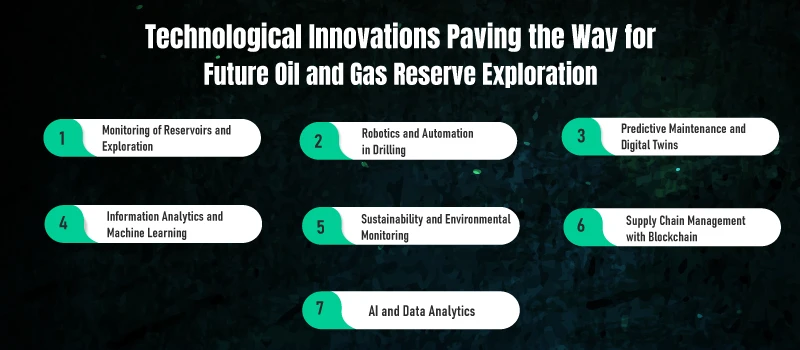
In recent years, technological innovations have positively influenced oil and gas reserve exploration. Below are some of the crucial technologies that help achieve better reserve exploration.
Large-scale seismic examination and drilling were typically included in the search for oil and gas reserves. Modern, cutting-edge technology allows for more precise mapping of subsurface structures, such as 3D seismic imaging and novel sensors. Furthermore, real-time data analytics are used by reservoir monitoring systems to optimize extraction procedures, improve efficiency, and lessen environmental effects.
Drilling operations are now heavily reliant on automation. Drilling parameters can be changed in real-time by automated drilling systems equipped with sensors and machine learning algorithms to analyze geological data and produce excellent outcomes. The use of robotics, particularly remotely operated vehicles (ROVs), is growing in submerged exploration and maintenance, reducing the need for human intervention in hazardous situations.
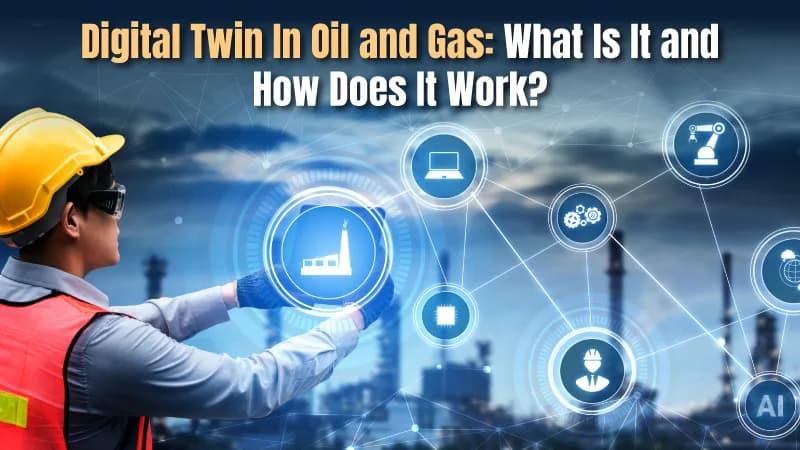
In the oil and gas sector, the idea of digital twins—a copy of physical assets—has become more contentious. Through the creation of digital twins, operators may monitor and duplicate real-world conditions on oil rigs, pipelines, and other infrastructure. This makes it possible to plan ahead for maintenance, reduce interruptions, and extend the life of condemned assets.
Artificial intelligence (AI) that is sophisticated and coherent is being used to capture the wealth of data produced in the oil and gas industry. AI systems forecast equipment omission, evaluate seismic data, and enhance production procedures. This data-driven strategy lowers operating costs, improves safety, and facilitates better decision-making.
A growing number of technology-related sustainability focal areas have been developed as a result of growing environmental concerns. Hydroelectricity consolidation in oil and gas operations, sophisticated water treatment techniques, and methyl hydride detection devices to reduce greenhouse gas secretion are examples of innovations. These innovations aim to strike a balance between the need for energy and environmental preservation.
The oil and gas industry's supply chain management is seeing an invasion from blockchain technology. From extraction to delivery, blockchain improves the quality of hydrocarbons by offering a clear and unchangeable ledger. This increases total supply chain efficiency, reduces the possibility of deceit, and guarantees adherence to modulation.
Artificial intelligence (AI) and data analytics make the discovery of oil and gas reserves more efficient, faster, and precise. AI and data analytics can assist in quickly and safely identifying regions with significant mineralization potential, cutting down on the time and expense of exploration.
These are the latest major technological innovations that have transformed the outlook of exploring oil and gas reserves. Along with these, horizontal drilling has also played an important role in discovering hidden oil and gas reserves over the past few decades.
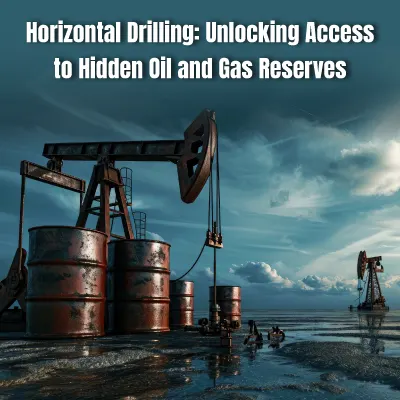
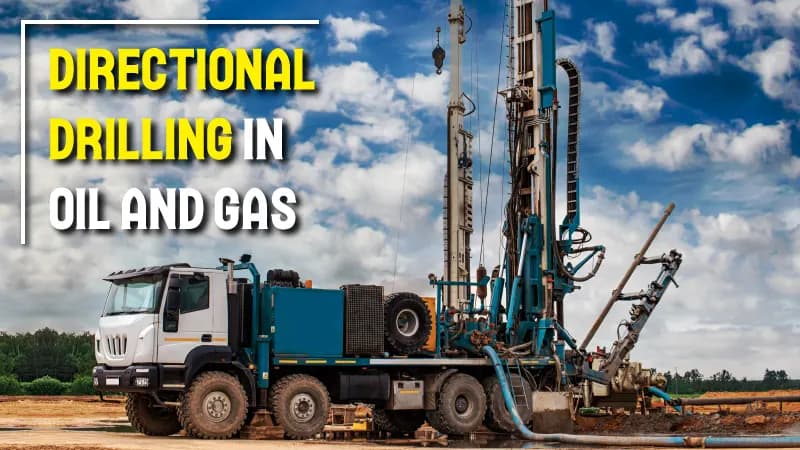
Horizontal drilling simply means drilling in a horizontal direction. Using this drilling technique, the drill bit is rotated horizontally to bore parallel to the layers of oil- and gas-containing rock after the well has been drilled at a vertical angle to a predefined point.
This drilling method makes it feasible to tap previously unreachable oil and gas reserves, increasing output and lowering costs. Over the past 10 years, numerous oil and gas companies have preferred this method due to its various advantages.
Here are some key advantages of horizontal drilling:
Companies used to be restricted to drilling just vertically, which meant that the quantity of oil and gas deposits they could reach was constrained. Companies can now access previously inaccessible oil and gas sources thanks to horizontal drilling. The output of gas and oil has significantly increased as a result of this improved access.
Although horizontal drilling is more costly than vertical drilling, it can provide larger volumes of gas and oil from a single well. As a result, businesses won't need to drill as many wells to get the same amount of gas and oil, which will lower their overall drilling expenses.
Horizontal drilling minimizes the number of wells that must be drilled since it enables businesses to access larger quantities of gas and oil from a single well. This indicates that there is less environmental impact and less disturbance of the land.
Advanced technology is needed for horizontal drilling, including directional drilling equipment and complex drill bits. Although this technology can be costly, horizontal drilling cannot be successful without it.
This technique has allowed for the access of previously inaccessible oil and gas deposits, transforming the oil and gas business. As a result, there is now more production, lower prices, and a more sustainable perspective towards drilling.
Unlocking hidden oil and gas reserves is essential to meeting the world's expanding energy needs. By enhancing exploration, raising output, and cutting costs, innovations like seismic imaging, robotics, automation, AI-powered predictive analytics, and horizontal drilling have completely changed the oil and gas sector.
Furthermore, innovations in sustainability-focused solutions, blockchain for supply chain management, and digital twins are increasing productivity while reducing environmental effects. Technology will be essential in advancing development, guaranteeing operational excellence, and fostering a more sustainable future as the oil and gas industry continues to transform.
The technologies like Seismic Surveys, Geophones, Computer-Assisted Exploration (CAEX), Well Logging, Artificial Intelligence (AI), Big Data Analytics, Internet of Things (IoT), Drones and many more are used to locate oil and natural gas reservoirs.
The newer methods for accessing oil and natural gas are Horizontal Drilling, Hydraulic Fracturing, Multilateral Drilling, Rotary Steerable System (RSS), Geochemical Prospecting, Seismic Mapping etc.
Informational only — not legal, tax, or investment advice.