Directional drilling in the oil and gas industry might not have started yesterday, but it’s a technique that has become an absolute must-have for extracting hydrocarbons with any degree of precision. Unlike traditional vertical drilling, or just drilling straight down into the earth, directional drilling offers a bunch of advantages that have really taken off. Most directional wells start off as vertical wellbores, but they don’t stay that way for long - they’re soon pointing in a whole new direction in order to reach those hidden reservoirs. And it’s this very flexibility that has made directional drilling so appealing to operators who are trying to drill under towns or nature reserves - it’s just a lot easier than traditional methods.
Imagine a whole network of underground tunnels that can get to remote oil resources without needing to dig loads of separate wells - that’s sort of what directional drilling does. At its heart, it’s a way to access oil that we just can’t get at with traditional wells. By using directional drilling operators can get into some pretty tricky locations and get the oil out in a much more efficient way. Directional drilling is also a cost effective method compared to traditional vertical drilling, helping operators reduce expenses while increasing efficiency. On top of that, it lets them create multiple wells from a single surface site - that means a lot less digging and a lot less environmental impact.
Directional drilling enables access to multiple reservoirs from a single location, reducing surface disruption and improving safety. And because directional drilling can tap into multiple bits of a single reservoir, it can really boost the yield. A single directional drilling rig can cover several square miles, maximizing resource extraction and reducing operational costs. For the oil industry as a whole, it’s a key technique for getting at all those vast pools of hydrocarbons that would otherwise be inaccessible.
An Introduction to Directional Drilling?
Directional drilling is the advanced drilling method that lets us extract all the minerals we can from the surface of the earth. Loads of oil companies around the world have taken to using directional drilling as a way to get the best possible results. Some people also call it directional boring, but we’ll just stick with directional drilling.
Now, most wells are drilled right over the top of the mineral deposits, so to get at those minerals we need to drill straight down into the earth. However, with directional drilling the angle of the drill isn’t always vertical - it can be at any old angle and in any direction at all. The drillers use all sorts of fancy tools to make sure they’re drilling in exactly the right spot, and drilling at an angle like this adds a whole bunch of stress to the drill bit and the equipment - they have to be able to handle that in order to make it work. The bore is carefully monitored and adjusted to maintain the desired trajectory. Directional drilling also lets us drill wells a long way from the actual drilling site - and when oil experts talk about directional drilling, they’re usually saying something like “it’s not just about drilling straight down into the earth”. Engineers determine the planned path and inclination of the well bore to reach the target reservoir. The inclination of the well bore is a critical parameter measured and adjusted throughout the drilling process.
Directional drilling has been around since the 1920s in the oil and gas industry, and it’s come a long, long way since then. Back in the day, when directional drilling was still a bit of a novelty, they used the old-fashioned vertical wells. But even then, the drillers were working at non-vertical angles, and the whole thing was a bit more of a guess than a precision operation. Nowadays we have all sorts of fancy drill bits that can handle the stresses of drilling at any old angle, and we’ve got all sorts of technology to help us out - like hydraulic jets that let us control the direction of the drill bit, and real-time computer controls that help us drill exactly where we need to.
Drill operators can now use computers to adjust the angle of the drill bit on the fly, and they can even use GPS to find out exactly where the oil and gas is - and with the help of all sorts of software and 3D models they can plan the whole operation in excruciating detail. Modern computer programs are used to plan the wellbore path and calculate the desired trajectory, replacing manual calculations and allowing precise control over the borehole. That means they can target specific gas fields with ease and get the most out of the resources they’re working with. Directional drilling is also used to efficiently access gas fields and oil fields using advanced planning tools and technology. With all this kit at their disposal, directional drilling is helping the energy industry to grow faster and faster.
A Brief History of Directional Drilling
Early directional drilling involved basic equipment and manual calculations, with later advancements incorporating computer technology to improve precision and control.
-
1891
The first patent was granted for a drill that could make a horizontal hole from a vertical well
-
1896
Two ranchers drilled a well near a boundary fence - unfortunately, they ended up in a dispute over oil theft - but the whole thing led to the development of the first well surveying tools.
-
1920
The first big breakthrough came in Oklahoma’s Seminole field, and it was the start of a whole new era for directional drilling. At this time, supposedly vertical wells often deviated from their intended path, which led drillers to develop new techniques to maintain or intentionally alter the well trajectory.
-
1920 Onwards
Directional drilling was born out of necessity to deal with crooked holes, kill wild wells and stop lease line crossing. Unscrupulous drillers however put the directional drilling technique to use for their own gain, crossing lease lines deliberately. Drillers then found a way to use hardwood wedges to change the direction of the well, without actually needing a drill bit. This marked the first iteration of the modern whipstock. The overall length and diameter of a well depended on the available equipment and site conditions at the time. These parameters were determined by site-specific conditions and the technology available, influencing how far and wide wells could be drilled.
-
1930
The first controlled directional well was drilled at Huntington Beach, California. Spudding bits, knuckle joints and whipstocks all came into play in this drilling effort. Different types of drills, such as downhole motors and steerable drill pipes, were used to achieve precise directional control.
-
1934
After H John Eastman managed to successfully kill a wild well in the Conroe region of Texas using directional drilling, the technique gained some much needed acceptance. It was just the sort of real world test it needed to prove its worth. In this operation, a relief well was drilled to intersect the original wellbore, allowing the injection of kill fluid to control the blowout and stop the uncontrolled flow.
-
1934-1950
Things started to look up for directional drilling, and the steel whip stock tool became the tool of choice for deflecting the wellbore during drilling operations.
-
1950 onwards
Directional drilling started to pick up momentum all over the world, with practically every oil company clamouring to use it in their next drilling operation.
-
Early 21st century
Its about this time that drillers started using computers in their directional drilling operations.
-
Today
Things have really come along way since then. Directional drilling now comes with a whole arsenal of gadgets and gizmos like GPS for locating oil and gas reserves, advanced software for creating a 3D model of the reserves , and all sorts of other fancy tools.
How Does Directional Drilling Work?
Directional drilling is a favourite among oil and gas companies because it helps keep production levels high. A few utility installers also use this technique to run lines under the ground. To get at the oil and gas, the well is drilled directionally using tools like mud motors, rotary steerable systems and MWD systems to steer it in the right direction. Directional drilling enables access to underground reservoirs that are otherwise difficult to reach, allowing operators to tap into hydrocarbon deposits with complex geometries. Modern directional drilling techniques allow for the creation of oil wells at non-vertical angles, improving efficiency and resource extraction. Different types of drills, such as downhole motors, steerable drill pipes, and whipstocks, are used to achieve precise control over the drilling path and trajectory. Using this method, we can fit in multiple lines and equipment in a pretty efficient way without having to dig up the ground. Essentially, we drill in a horizontal direction, and then go back and lay the line, - it’s a pretty effective way to do things.
Drilling a Pilot Hole
-
This is the first step in directional drilling. To start off, we pump fluid through a pipe, which creates high-pressure jets that break up the ground and help get rid of the cutting debris, which then gets returned to the tunnel entrance. We also use a steering tool or transmitter at the front of the drill to send signals back to an engineer, who is watching the slope, depth and alignment of the well. If the drill gets off track, the engineer can fix it and get the drill back on course. The drill path can be straight, or it can be curved to avoid any obstacles.
Pre-Reaming the Pilot Hole
-
After we've drilled the pilot hole, we need to go back and make it bigger so that we can fit the utility lines in. This is called pre-reaming and we get it done with a rotating reamer. This time, water is pumped down to help the reamer cut through the solid earth and widen the hole out. The speed of the reamer will depend on what sort of soil we're dealing with.
Pulling Back the Pipe
-
This is the final step in directional drilling. At this stage, we pull the pipe back through the pre-reamed tunnel, with the help of a reamer connected to swivel and drill rods. The swivel helps keep the stress off the pipe as we pull it back. We also pump drilling fluid in to lubricate the whole shebang. In some cases, we can even push the pipe in place.
That's the basic process of directional drilling in a nutshell, and it's a really useful technique for utility crews to lay pipes and cables without having to dig up the ground. Plus, it's got a bunch of other benefits for oil and gas companies.
Hydraulic Fracturing Process (Video)
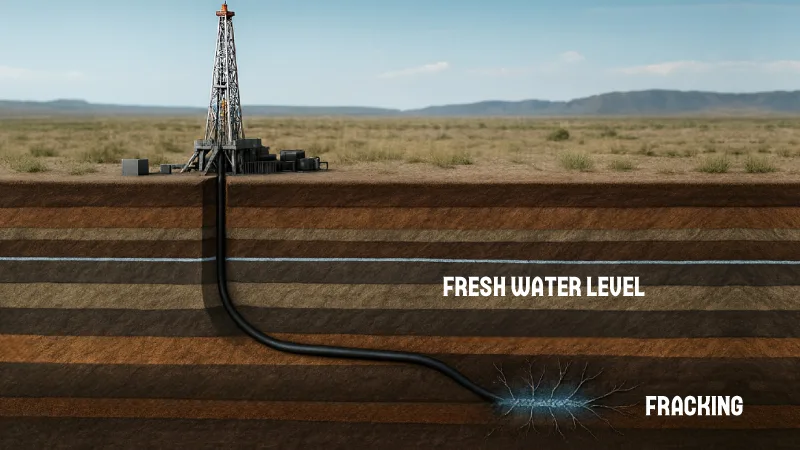
Here’s a clear and detailed visual explanation of directional drilling reaching the reservoir and hydraulic fracturing (fracking), courtesy of SMEnergyCompany.
Video credit: SMEnergyCompany YouTube Channel
Find the best operators in your county or across Texas.
Compare performance and statistics in the Mineral View Operator Hub.
The Role of A Directional Driller
At the oil and gas industry, a directional driller is an absolutely crucial person. They are the ones responsible for making sure that the drilling operation gets the well to the right spot. They achieve this by using the right set of directional drilling techniques - like horizontal directional drilling, extended reach drilling, and multilateral drilling - to design and execute the perfect well path.
A directional driller starts off by doing plenty of planning, they work closely with geologists and engineers to look at the reservoir data and decide on the best drilling path. They have to consider things like the shape of the reservoir, what sort of rock youre dealing with, and the environmental impact. And all this before they even start drilling.
Once the drilling starts, the directional driller is keeping a close eye on the wellbore , making adjustments as needed to keep the operation on track and get to the right depth and location.
Directional drillers have to make sure they pick the right drilling techniques and equipment for the job, so that the wellbore follows the desired path, and they dont get too bogged down in any drilling problems or environmental risks. Their ability to think on their feet and solve complex problems is absolutely key for success in the oil and gas industry. By pushing the boundaries of what is possible with directional drilling, they are helping oil companies get to oil and gas that was previously out of reach, increasing production, and reducing the environmental impact of their operations.
Types of Directional Drilling
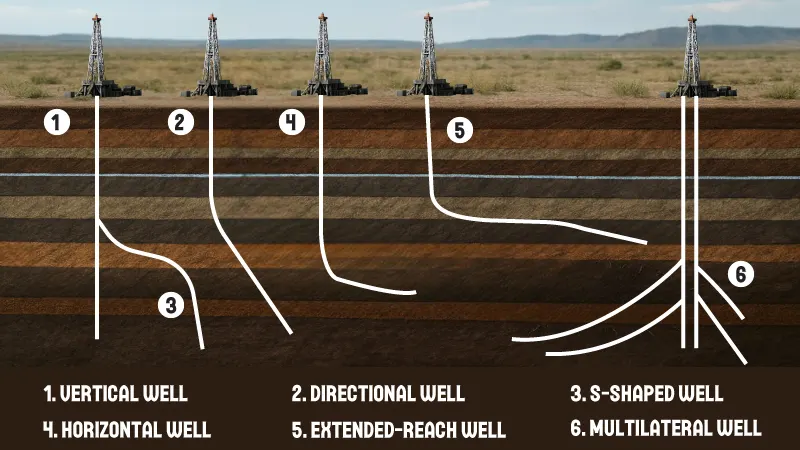
Theres a bunch of different types of directional drilling, but the ones that get used most in the mineral industry are four in particular. Each one - extended reach drilling, multilateral drilling and short radius drilling - has its own special requirements, so you need to pick the right drill and get the bha design just right. Then you have to use mud motors, rotary steerable systems and all sorts of other tools to get the job done. The stator assembly in mud motors plays a crucial role in enabling precise directional control during drilling. Rotary steerable systems rely on advanced RSS technology, which allows for real-time steering of the wellbore while the drill pipe is rotating. The more you can fine tune the drilling operation, the better the results are going to be - and that means using the right drill string and taking control of the rotary speed. Rotation is essential for maintaining wellbore accuracy and smoothness throughout the drilling process. Its a real delicate operation. Directional drilling offers significant advantages, especially when compared to traditional vertical rigs, which are limited in reach and efficiency.
Multilateral Drilling
-
This drilling method turns a single vertical well into multiple wellbores that diverge in all sorts of different directions and depths. It helps reduce the need for surface infrastructure, improves reservoir drainage, and means lower costs and environmental impact.
Complex-path drilling
-
When you need to get to oil and gas in a tricky spot, this is the drilling technique you use. Its all about precision, and involves drilling a non-linear path to get to the hydrocarbon reservoirs. Sometimes you might have to drill an S-shaped or fish-hook shaped path - all dependent on the reservoir target and the geological and environmental conditions. This method is particularly good for dealing with smaller reservoirs or fractured rock.
Extended Reach Drilling (ERD)
-
ERD is used when you need to drill a well that is a long, long way from the drilling rig. You get the drill bits to drill a horizontal section of the well that can be several miles long, by using specialized drilling tools to get the maximum reach out of the bit and control the tension on the drill string.
Horizontal Drilling
-
In directional drilling, the well starts off being drilled vertically at the beginning and then gradually gets bent in a horizontal direction where the oil and gas deposits lie. This approach lets the wellbore extend out by up to a thousand feet in one direction, while also giving access to geological formations that might contain oil and gas. This makes it easier to get at mineral deposits in thinner and longer reservoirs, even when there are multiple reservoirs located at different depths.
View of oil and gas development in your County or Texas Explore our Texas Oil and Gas Maps Features
Equipment Used in Directional Drilling
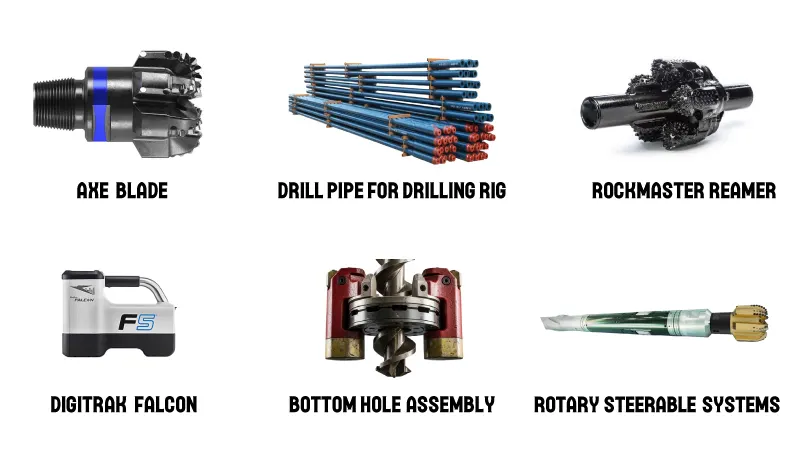
Directional drilling relies on some pretty specialized gear that can handle the unique demands of drilling at all sorts of angles and along complicated paths. The heart of the operation is the drill bit, and that gets chosen based on the kind of rock and the direction we want the well to go in. The drill pipe and hole assembly connects the drill bit to the surface, forming the drill string which has got to be tough enough to withstand all the stress of directional drilling.
We steer the wellbore and keep a close eye on the direction of the well by using drilling motors such as mud motors and downhole motors. These motors let the drill bit spin independently of the drill string, so we can steer the well along the exact path we want. Downhole motors let the drill bit spin at the cutting face even when most of the drill pipe is stationary. Rotary steerable systems (RSS) are a big step up in directional drilling tech, giving us real-time control and smoother, more accurate wellbores.
The drill rig itself is equipped with all sorts of advanced tech, including computers and sensors that keep an eye on the drilling process and give us survey data. We use that data to make on the fly adjustments and make sure the wellbore is going in the right direction. Other components like stabilizers and bent subs get added to the bottom hole assembly to make it even more stable and easier to control.
Directional drillers also use a lot of sophisticated software and drilling sim models to plan and execute each job, so we can make sure everything is done as safely and efficiently as possible. As tech gets better all the time, the equipment we use in directional drilling gets more advanced too, letting us drill deeper, farther and more precisely than ever.
Advantages and Disadvantages of Directional Drilling
Advantages
-
It keeps a lot of the mess of drilling to a minimum.
-
It means we can do with fewer surface wells.
-
It makes drilling a whole lot smoother and less of a hassle for people nearby.
-
And it does a great job of not breaking up existing rock formations, so we can work quietly. It helps to cut down on groundwater pollution contamination, keeping the environment & the surrounding neighborhood in safe shape.
-
It's part of the broader effort to lock the site down and make the area safer by greatly reducing the chances of a gas rupture while drilling new wells.
-
The initial bill for directional drilling is higher , that's because you need to shell out big bucks for the fancy equipment and high-tech gear compared to the standard vertical drilling approach - It really helps cut down on the disruption caused by soil.
-
It means you need fewer surface wells to work with
-
Directional drilling lets you do drilling work with hardly any turbulence for people nearby - which is always a good thing.
-
It helps prevent rocks from cracking - making it a low-noise job.
-
It reduces the risk of groundwater getting contaminated - meaning you're basically protecting the environment and the local area.
-
And it also helps secure the site by reducing the risk of gas blowing - when developing new wells.
Disadvantages
-
The thing is, directional drilling can make operating wells more complicated. It uses high tech, which can be a real challenge.
-
One worry is that all the equipment used in directional drilling can cause a lot of damage to the land. But you can mitigate this by only using directional drilling on land that's got a high chance of holding minerals
-
One issue with directional drilling is that it's harder to work with wells at an angle - requiring special equipment to make adjustments. And that costs more.
-
It also takes more skilled staff and special data collection techniques - because directional drilling is a complex process.
-
The more you use directional drilling the more complicated it all gets.
-
As you might expect, directional drilling requires a lot more equipment - which can cause damage to the land. But you can work around this by only doing directional drilling on land that's high in minerals
Applications of Directional Drilling
Directional drilling has some key uses - three in fact. Here are the main ones:
| Application | Uses |
|---|---|
| Geothermal | To tap into heat in rocks with high geothermal gradients |
| Mining | To get methane gas out of coal seams |
| Construction | To drill a pilot hole under a river, then up on the other side |
Conclusion
Directional drilling has completely altered the game in the oil and gas industry - mainly because it's so precise and effective at getting hydrocarbons out of the ground. It lets you drill in a direction you choose - and at multiple angles - making it possible to extract things that are otherwise really hard to get to.
By doing it this way, you don't only get more minerals out of the ground - but you also get better outcomes from production - with less damage to the environment.
Of course, directional drilling is a better option than the old way of doing things - but it also carries some risks - like surface damage. Still, that's something you can sort out. Despite the risks, directional drilling really does bring a lot to the table - in terms of making operations more efficient - and safer for the environment. And it's a big reason why drilling continues to be so popular. And that means good news for the economy.