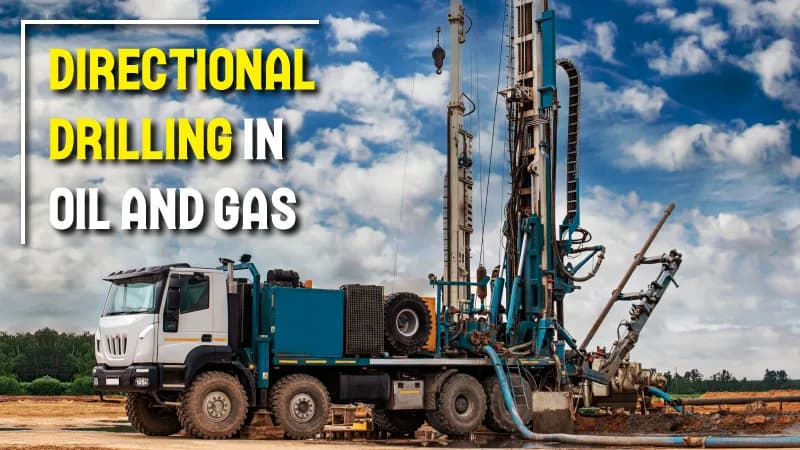
The oil and gas sector is highly dependent on technology to maintain seamless and effective operations in the connected world of today. Systems like Industrial Control Systems (ICS) and Operational Technology (OT) are essential for anything from drilling rig control to pipeline monitoring. But as OT/ICS security systems develop more sophistication, cybercriminals attack them as well.
This blog will help you understand the significance of protecting OT and ICS in the oil and gas industry. Here we will discuss the primary strategies used to safeguard these systems, ensuring their dependability, safety, and continuous operation. Let's begin with what OT/ICS systems are.
What are Operational Technology (OT) and Industrial Control Systems (ICS)?
The computer network and systems that monitor and manage industrial processes, including those in manufacturing, utilities, and oil and gas, are known as industrial control systems (ICS) and operational technology (OT). Protection against cyberattacks of these systems is known as OT/ICS security.
For industrial facilities to operate safely and dependably, OT/ICS systems are frequently essential. And the OT/ICS system could experience operational disruptions, environmental harm, or safety risks if a cyberattack is successful.
OT/ICS systems are increasingly being targeted by cybercriminals. They may be driven by a number of things, such as activism, state-sponsored tracking, or financial gain.
OT/ICS system security can be difficult. These systems may not have been created with security in mind and are frequently intricate and antiquated. Furthermore, OT/ICS systems are especially susceptible to cascading attacks since they are frequently linked to other critical infrastructure systems.
Organizations can take a number of steps to increase the security of their OT/ICS systems in spite of the difficulties. These consist of:
Asset Management:
Asset management includes locating, cataloging, and categorizing all OT/ICS assets according to risk and criticality.
Segmenting a Network:
Separating the IT network from the OT/ICS network and putting in place network security measures to limit access to OT/ICS resources.
Control of Access:
Use multi-factor authentication for any remote access and establish strict access control policies and procedures for OT/ICS assets.
Patch Administration:
Locating and promptly applying important security updates for OT/ICS software and devices.
Keeping an Eye on Security:
Putting in place procedures and tools for security monitoring in order to identify and address OT/ICS security incidents.
Training and Awareness of Security:
Teaching OT/ICS staff how to identify and report security incidents, as well as best practices for security.
Risk Control:
To reduce the possibility and effect of OT/ICS security incidents, periodical risk assessments are carried out to identify and rank OT/ICS security threats. Risk mitigation strategies are then put into place.
By putting these security measures in place, companies can assure the dependability of their operations and defend their OT/ICS systems from cyberattacks.
Why is OT/ICS Security Crucial for the Oil and Gas Industry?
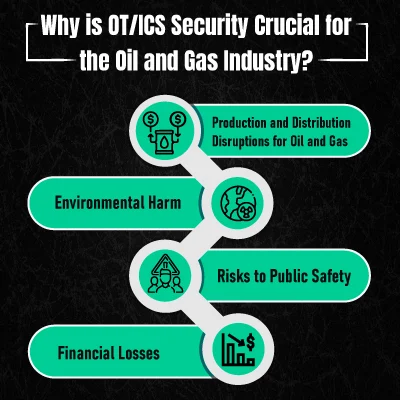
For several reasons, OT/ICS security is crucial in the oil and gas sector.
The safe and dependable operation of the oil and gas sector depends on OT/ICS systems. The production and distribution of oil and gas could be disrupted by a successful cyberattack on these systems, resulting in shortages and price rises.
Other vital infrastructure systems, like the power grid and transportation systems, are frequently linked to OT/ICS systems. Consequently, additional critical infrastructure sectors may be affected in a cascading manner by a cyberattack on OT/ICS systems.
As they are frequently found in isolated locations, oil and gas installations are challenging to physically secure. As a result, they are more exposed to both physical and cyberattacks that take advantage of gaps in physical protection.
Cybercriminals find the oil and gas sector to be a lucrative target. Sensitive information, including financial and geological data, is frequently held by oil and gas businesses. Attackers that aim to disrupt international markets target the oil and gas industry because it is a vital component of the global economy.
The following are some possible outcomes of OT/ICS security breaches in the oil and gas sector:
Production and Distribution Disruptions for Oil and Gas:
Refineries could blow up, pipelines could burst, and oil and gas wells could shut down due to a cyberattack on OT/ICS systems. As a result, oil and gas commodities, including gasoline and diesel fuel, may become limited.
Environmental Harm:
Dangerous materials may be released into the environment as a result of a cyberattack on OT/ICS systems. This could endanger human health and wildlife, as well as contaminate land and water.
Financial Losses:
The global economy and the oil and gas sector could suffer billions of dollars in losses from a cyberattack on OT/ICS systems.
Risks to Public Safety:
Explosions, fires, and other mishaps that could injure or kill people could result from a cyberattack on OT/ICS systems.
Key OT/ICS Security Threats and Vulnerabilities in the Oil and Gas Sector
Numerous cyberthreats and vulnerabilities can affect OT and ICS systems. Among the most frequent dangers are:
Malware:
Harmful software designed to damage or disrupt OT/ICS systems. Malware can enter OT/ICS systems through a variety of methods, including USB drives, software defects, and phishing attempts.
Phishing:
Attacks using social engineering that try to fool people into clicking on malicious links or divulging private information. One of the most popular methods used by attackers to enter OT and ICS systems is phishing.
Attacks Using Zero-Day Vulnerabilities:
Attacks that take advantage of flaws that manufacturers are not yet aware of. Since there are no patches to counteract zero-day attacks, they are especially dangerous.
Vulnerabilities in Physical Security:
Physical security flaws that provide hackers access to OT/ICS equipment or systems. Weak perimeter security, insufficient access management, and low personnel security awareness are examples of physical security risks.
OT/ICS systems are susceptible to new risks, including supply chain and Internet of Things (IoT) attacks, in addition to existing prevalent ones.
Assessing and Mitigating Risks in Oil and Gas OT/ICS Security
In the oil and gas sector, risk assessment and mitigation are crucial elements of OT/ICS security.
Risk Assessment:
Finding the organization's OT and ICS assets is the first step in risk assessment. Following identification, the assets must be categorized according to how important they are to the organization's activities. The impact that an asset's loss or disruption might have on the company determines how vital it is.
Finding each asset's risks and vulnerabilities comes next after the assets have been categorized. An asset's vulnerabilities are faults that an attacker could take advantage of. Events or people that could take advantage of weaknesses are considered threats.
Assessing each threat’s impact and likelihood comes next after vulnerabilities and threats have been identified. The probability that a threat will materialize is known as its likelihood. A threat’s impact is determined by how serious the repercussions would be if it materialized.
Prioritizing security measures and creating a mitigation strategy should be done using the risk assessment solutions.
Risk Mitigation:
The process of lowering the probability and impact of OT/ICS security threats is known as risk mitigation. There are numerous ways to reduce risk, such as:
-
Technical Safeguards:
Technical controls are software-based or hardware-based measures to safeguard data and OT/ICS systems. Firewalls, intrusion detection systems, and access control systems are a few examples of technical controls.
-
Controls of Procedures:
Policies and processes known as procedural controls are used to reduce the security risks associated with OT/ICS. Security awareness training and incident response plans are two instances of procedural controls.
-
Controls for Administration:
Effective management of OT/ICS security threats is ensured by administrative controls, which are management-level controls. Security governance practices and risk management policies are two instances of administrative controls. Combining administrative, procedural, and technical controls is the most effective way to reduce risk.
In the oil and gas sector, risk assessment and mitigation are crucial elements of OT/ICS security. By carrying out frequent risk assessments and putting in place suitable mitigation strategies, organizations can reduce the probability and effect of OT/ICS security incidents.
The Future of OT/ICS Security
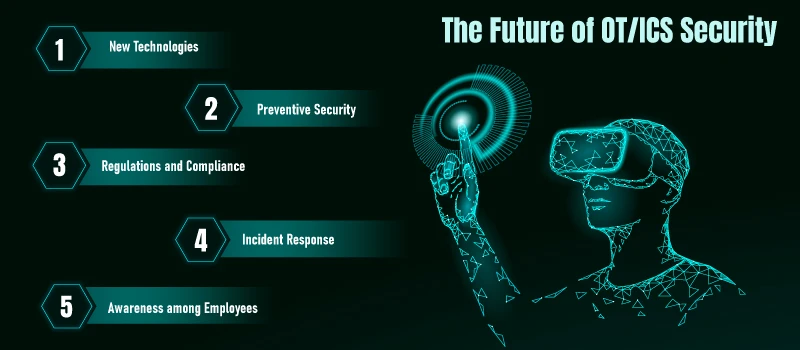
It is apparent that the landscape is always changing as we look to the future of OT and ICS security in the oil and gas sector. Because of their growing complexity, connectivity, and digitization, these vital systems are more important than ever to protect.
Below are important takeaways about the future of OT/ICS Security:
New Technologies:
Cloud-based solutions, Artificial Intelligence (AI), Machine Learning (ML) and the Internet of Things (IoT) are now being integrated. These technologies provide new security issues in addition to previously unheard-of efficiency.
Preventive Security:
The oil and gas sector needs to take a proactive stance on security. To keep up with increasingly complex cyberthreats, threat detection and mitigation must change.
Regulations and Compliance:
Compliance with current and upcoming regulations is mandatory. In addition to financial penalties, noncompliance jeopardizes the security of vital infrastructure.
Awareness among Employees:
Security's human component is still vulnerable. To reduce the possibility of insider threats and mistakes, ongoing training and awareness initiatives are essential.
Incident Response:
Plans for quick and efficient incident response are crucial. Rapid recovery and confinement can reduce an attack's damage.
Organizations can detect and address OT/ICS security events, manage OT/ICS risks, and adhere to all relevant regulatory standards with the aid of better security solutions.
Conclusion:
For the oil and gas sector to operate safely, dependably, and efficiently, OT/ICS security systems must be implemented. These systems, which manage vital operations like pipeline monitoring and drilling, are more vulnerable to cyberattacks.
Organizations must implement measures like stringent access restrictions, frequent risk assessments, security training, and proactive incident response in order to safeguard them. As technology develops, operations and the environment will continue to be protected by staying ahead of risks and following rules.
FAQ's
What are five things to consider when implementing security mitigations to ICS?
While implementing the security mitigations to ICS, these five things are taken into account: Access control, Employee Training, Network Segmentation, Patch Management, and Secure Remote Access. By considering these factors, efficient security for ICS can be achieved.
What is ICS and OT security?
ICS and OT security are the crucial cybersecurity activities that are utilized to secure the industrial control systems (ICS) and operational technology (OT) from any kind of cyberattack or threat. These security practices not only protect the systems from cyber threats but also enhance operational efficiency.
These security undertakings are considered in these sectors: Manufacturing, Oil and gas, Power grids, Healthcare facilities, Water and gas distribution networks, Communications systems, Transportation systems, Utilities, etc.