
Loading article
Good News for Mineral Owners and Oil Investors
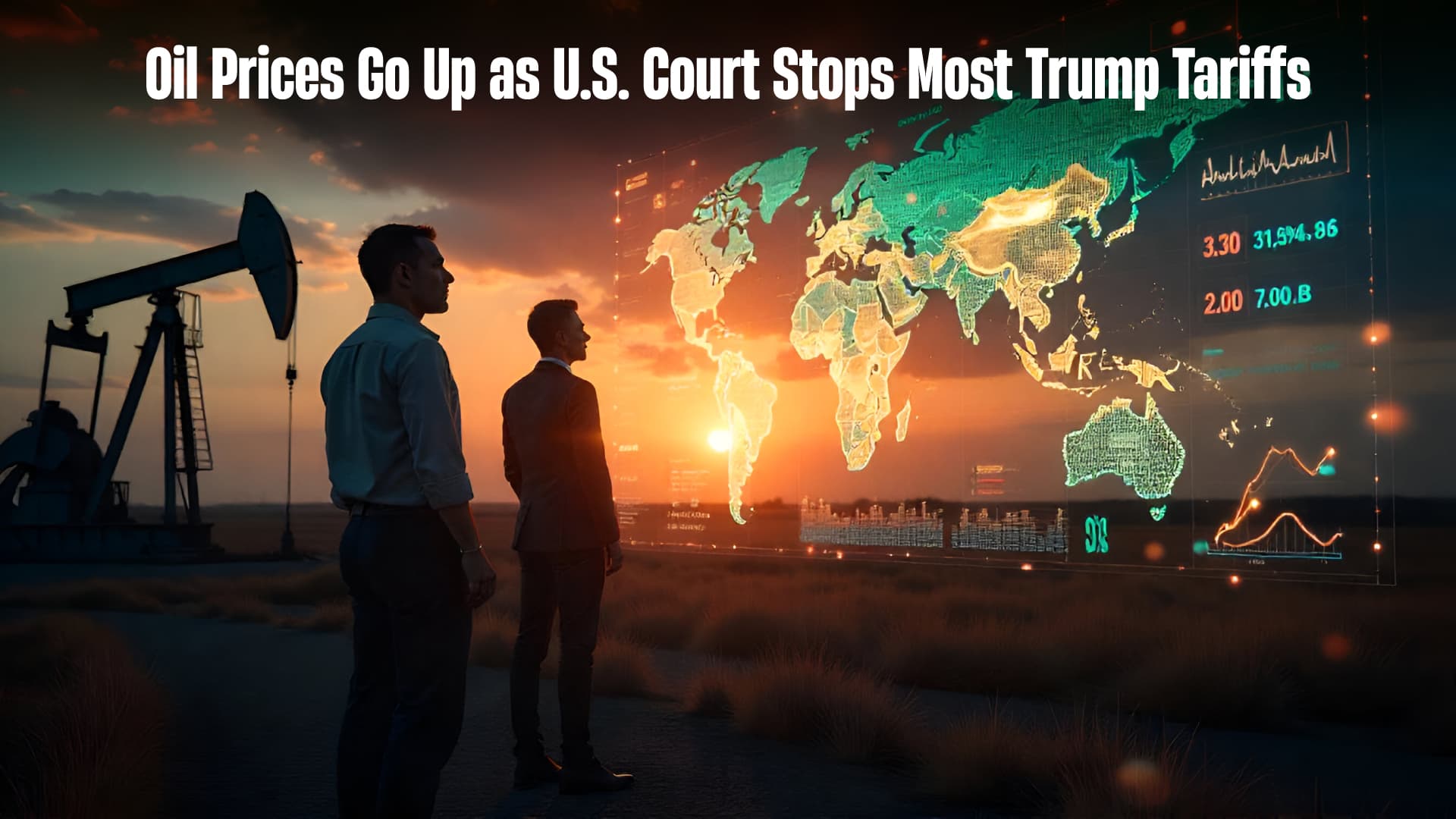
Oil prices went up on Thursday after a U.S. court decision stopped many of the tariffs brought in by former President Donald Trump. This change gave a boost to global markets and brought some hope to people in the oil and gas industry.
At the same time, traders are keeping an eye on new U.S. sanctions that might affect how much oil Russia can sell. There is also a big meeting coming up for OPEC+—the group of top oil-producing countries—where they will talk about increasing oil output in July.
Let’s take a closer look at why oil prices are rising and what this means for mineral rights owners, oil investors, and the wider energy market.
A trade court in the U.S. ruled that Donald Trump did not have the right to put tariffs on goods from other countries without proper reason. This means that many of those added costs will no longer apply. However, this ruling did not cover specific taxes on things like cars, steel, and aluminum, which were made under different rules.
This court decision was seen as good news by global markets. Many investors had been worried that these tariffs would slow down trade and hurt the economy. Now, with fewer tariffs in place, investors feel more confident. For people who earn money from oil production or oil investments, this is great news.
After the ruling, oil prices rose fast. Brent crude went up by 78 cents, or 1.2%, reaching $65.68 per barrel. U.S. West Texas Intermediate (WTI) crude, another major oil type, also went up 78 cents, or 1.3%, to $62.62 a barrel.
These increases in oil barrel price help oil producers earn more money for the same amount of oil. For mineral rights owners who receive royalties, this is especially positive. As oil prices go up, so do the payments to landowners and investors.
Experts say that while this is good news, it may not last long. The Trump administration has already said it plans to fight the court ruling. If the government wins the appeal, tariffs might return. But for now, markets are enjoying a break from the stress.
Matt Simpson, an analyst from City Index in Australia, said,
This break is a chance for oil companies and landowners to enjoy higher oil prices and more stable business.
Another reason for the rise in oil prices is growing concern about future supply. The U.S. may soon place new sanctions on Russia, which would limit the amount of oil Russia can sell. This could tighten the global oil market, pushing prices higher.
Meanwhile, OPEC+—a group that includes countries like Saudi Arabia and Russia—is set to meet soon. They may decide to increase oil production in July. Analysts from ING, a global bank, expect the group to agree on raising oil output by 411,000 barrels per day.
They also believe this increase will continue through the third quarter of the year. Their goal is to protect their share of the global oil market.
If oil output increases in a smart way and demand continues to grow, this can keep oil prices strong. Again, this is great for those with a stake in oil—whether it’s landowners receiving royalties or people investing in oil stocks and oil futures.
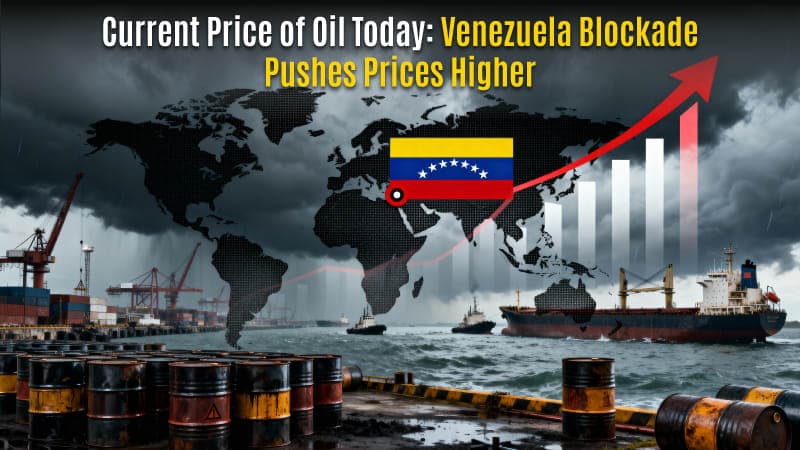
Adding to the tight supply picture, Chevron, a large U.S. oil company, has stopped its work in Venezuela. This happened after the U.S. government canceled the company’s license in March. Without that license, Chevron had to stop producing and exporting oil in the country.
Before this, Chevron was shipping around 290,000 barrels per day from Venezuela. That was more than one-third of the country’s total oil output. Now that this supply is gone, it makes global oil markets tighter and supports higher oil prices.
Venezuela also canceled several oil shipments in April. The reason was problems with payments due to U.S. sanctions. All of this means less oil on the market—and higher oil barrel prices.
According to Mukesh Sahdev from Rystad Energy, oil demand is growing faster than supply. Between May and August, he expects oil demand to be higher than supply by 600,000 to 700,000 barrels per day. That’s a big gap.
This kind of situation—where people need more oil than what’s available—usually causes oil prices to climb. For oil producers, royalty owners, and energy investors, it’s a very favorable trend.
When demand is high and supply is low, producers can charge more. This means bigger profits and better returns for everyone involved in the oil and gas industry.
Later this week, traders and investors are waiting for new data from the American Petroleum Institute (API) and the U.S. Energy Information Administration (EIA). These two groups release weekly reports showing how much oil, gas, and other fuels are in storage.
Early reports suggest that U.S. oil and gasoline inventories dropped last week. At the same time, stocks of distillates—which are used in trucks and planes—went up. Less oil in storage usually pushes oil prices higher because it shows strong demand.
These reports are watched closely by people in the oil market. Any sign of falling supplies can be a green light for higher oil futures.
In Canada, a wildfire in the province of Alberta has caused some oil and gas companies to stop production. People living in the affected town had to leave their homes.
Any time oil production is stopped—even for natural reasons like wildfires—it can reduce supply and push up oil prices. While this shutdown is likely temporary, it adds to the pressure that’s already driving up wti crude oil prices and oil barrel prices.
All of these events—court rulings, supply cuts, strong demand, and OPEC decisions—are helping to raise oil prices. This is excellent news for people who own mineral rights. When oil prices go up, the value of those rights usually rises too. That means more income from royalties and possibly better deals if you choose to sell your mineral rights.
Many mineral owners have already seen their payments grow in recent months. As demand for oil continues to rise, there’s a good chance those payments will keep going up.
If you’ve invested in energy companies or crude oil news, this is a positive time. High oil prices usually lead to higher profits for oil companies. That can mean rising stock prices, stronger dividends, and better returns for shareholders.
Even small investors who own shares in oil companies or energy funds are likely to benefit. As more money flows into the oil sector, everyone from small mineral owners to big investors stands to gain.
While the court decision and current supply issues have helped push oil prices up, things can always change. The market is still watching what the U.S. government will do next, how OPEC+ will respond, and whether global demand continues to grow.
But for now, the trend is clear: oil prices are rising, and that’s a big win for the people who keep the energy world running—from landowners to workers to investors.
Stay tuned to crude oil news and watch how these changes continue to affect the energy market. If you're involved in the oil and gas world, now may be a good time to enjoy the rewards of a rising market.
Informational only — not legal, tax, or investment advice.