
Loading article

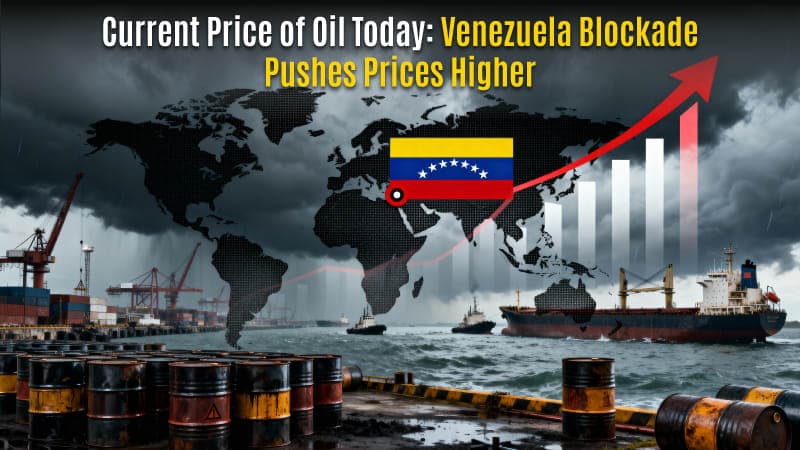
The oil market got oiled up again this week as traders kept a close eye on developments from Venezuela and upcoming decisions by major oil-producing countries. A big update came from the U.S. government, which recently stopped Chevron — a major oil company — from exporting oil out of Venezuela.
This move is expected to tighten oil supply in the near future. However, oil prices didn’t spike dramatically because there’s talk that OPEC+ might soon allow more oil into the market.
Here’s a breakdown of what’s happening and what it means for mineral owners and oil investors.
Chevron faces new restrictions on Venezuelan oil exports
OPEC+ may increase oil production soon
Oil prices edged up slightly amid cautious trading
Focus on possible new sanctions against Russia
Mineral owners could benefit from tightening supply and rising prices
The U.S. government has put new rules in place that prevent Chevron from exporting oil from Venezuela. While Chevron can keep operating its oil fields there, it can no longer ship oil out or expand its business.
This is an important development because it could reduce the amount of Venezuelan oil coming into the U.S. When supply tightens, prices usually go up, making the market more oiled up with investor interest.
Before this, Chevron was one of the few U.S. companies allowed to operate in Venezuela, helping production rebound to around 1 million barrels per day. Now, that growth may slow down because of the new restrictions.
With less Venezuelan oil expected, U.S. refineries are likely to buy more oil from the Middle East. Experts like Robert Rennie from Westpac say U.S. buyers will rely more heavily on countries such as Saudi Arabia.
This shift could be good news for Middle Eastern producers but may tighten supplies elsewhere. The market stays oiled up with activity — especially for mineral owners and energy investors who benefit when demand rises.
Although supply from Venezuela may drop, oil prices only rose a little. That’s because OPEC+ — a group of major producers including Saudi Arabia and Russia — may increase production to balance the market.
OPEC+ members are set to meet soon to decide on production levels. While no major changes were expected at the last meeting, a decision could come shortly that releases more oil into the market.
For now, the oil market remains oiled up and attentive.
Despite supply concerns, oil prices nudged up modestly:
Brent crude rose 25 cents (0.4%) to $64.34 per barrel
WTI crude climbed 24 cents (0.4%) to $61.13 per barrel
This shows traders are cautious and waiting to see how Venezuela and OPEC+ situations develop before making bigger moves.
Here’s what mineral owners and investors should know:
With fewer Venezuelan exports, supply tightens, often pushing prices up. Mineral owners with producing leases could see bigger royalty checks.
An oiled up market full of news and changes draws investor interest, potentially boosting demand for oil assets.
As the U.S. shifts to trusted sources like the Middle East, American oil and gas assets may gain value, benefiting local landowners and royalty holders.
Potential new sanctions on Russian oil could further tighten supply, supporting higher prices and stronger returns for mineral owners.
While the market looks promising, analysts remain cautious. Priyanka Sachdeva from Phillip Nova says prices have moved only slightly, with expectations of steady supply later this year.
However, if OPEC+ members don’t stick to their production limits or if U.S. trade policies change, demand and prices could shift quickly.
The main takeaway? The oil market is staying oiled up — active, watchful, and full of opportunity for mineral owners.
If you own mineral rights or oil investments, this could be a favorable time because:
U.S. sanctions reduce supply from Venezuela
Global demand remains steady as economies reopen
OPEC+ is cautious about releasing too much oil
The market is highly active, keeping prices supported
With these factors at play, mineral owners may soon see higher royalty payments. Long-term oil investors could benefit from rising crude prices today and beyond.

Informational only — not legal, tax, or investment advice.