
Loading article
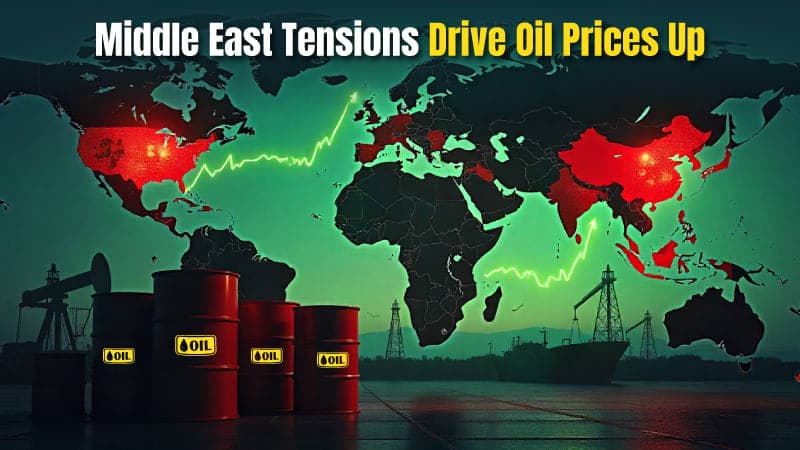
Oil markets opened the week with renewed strength as geopolitical tensions across Europe and the Middle East once again came into focus. Brent crude and West Texas Intermediate (WTI) futures ticked higher in Asian trading on Monday, with Brent moving to $67.07 per barrel and WTI October contracts climbing to $63.02.
The short-term gains may seem modest, but the underlying story is anything but small. Rising uncertainty in both regions is reinforcing the strategic importance of crude oil and natural gas, while also providing a silver lining for investors and mineral rights owners who depend on commodity cycles.
In this blog, we will unpack the latest developments, including:
Why tensions in Europe and the Middle East are influencing oil prices.
The role of supply from OPEC+ members like Iraq.
How trade tariffs and demand questions affect the outlook.
What this all means for investors and mineral owners looking for opportunities.
Here is a quick look at the numbers that kicked off the week:
| Crude Type | Price (USD/Barrel) | Change | % Change |
|---|---|---|---|
| Brent (Nov futures) | $67.07 | +$0.34 | +0.54% |
| WTI (Oct futures) | $63.02 | +$0.34 | +0.54% |
| WTI (Nov futures) | $62.76 | +$0.36 | +0.58% |
Even if this is not important, they show that traders are once again factoring in risk premiums related to global disputes and the safety of energy.
The European front is heating up in more ways than one. Reports that Russia threatened action over the Polish border have reminded traders how fragile European energy security remains. Over the weekend, Polish and allied aircraft were deployed to secure airspace after Russian airstrikes near western Ukraine, close to NATO territory.
Russian fighter jets reportedly violated NATO airspace in Estonia.
Germany confirmed a Russian military plane entered neutral Baltic airspace.
The United Nations Security Council is set to meet over Estonia’s accusations.
For investors, this kind of Europe news is critical. Even while there’s no cut in actual supply lines, the sense of insecurity may affect costs, as well as the risks associated with possible supply interruptions, keep oil markets active.
Shifting to the Middle East, the geopolitical spotlight intensified after four Western nations officially recognized Palestine as a state. Israel reacted sharply, fueling tensions in a region that already serves as the world’s most important oil hub.
The developments matter because:
The Middle East supplies nearly one-third of global crude.
Political troubles may have an impact on shipping lanes, especially through the Strait of Hormuz.
Any escalation risks pushing prices higher in the short term.
On the supply front, Iraq continues to boost exports. According to the state oil marketer SOMO:
August exports averaged 3.38 million barrels per day (bpd).
September is expected to rise to 3.4–3.45 million bpd.
This increase follows Iraq’s gradual unwinding of voluntary production cuts agreed under the OPEC+ framework. While additional barrels put downward pressure on prices, they also signal stability in supply, which is positive for long-term contract holders and mineral rights owners who thrive on consistent output.
The bullish narrative is tempered by worries about slowing global demand. Recent trade tariffs have stirred concern that expenditure by customers and industrial actions might weaken, dragging down the use of fuel.
However, here is a counterpoint worth highlighting:
The U.S. Federal Reserve has initiated the year’s first interest-rate cut.
Lower borrowing costs typically encourage business activity and travel.
That could provide a demand cushion for oil in the coming quarters.
For investors, the message is clear: volatility is a given, but demand isn’t vanishing—it is simply shifting.
Inventories are another important element. During the last six months:
Inventories have risen, suggesting supply has outpaced demand.
China and the U.S. have built up reserves, absorbing part of the surplus.
The added storage limits immediate upside but also provides insurance against shocks.
As Tim Evans put it in his energy newsletter:
“Increased strategic reserves accumulated by China and the U.S. have helped soak up the surplus, but the added inventories still reduce the near-term upside potential for prices and leave the downside open.”
This means that while sharp spikes may be capped, prices are unlikely to collapse, keeping the geopolitical threats in mind on both the Middle East and European fronts.
For oil and gas investors—and mineral owners in particular—the latest developments offer more than just short-term trading chances.
You can see that here are several main reasons for a positive outlook:
Conflicts in the Middle East and Europe sustain higher baseline prices.
The market is kept in balance by Iraq's rising output and OPEC+ policies.
The demand outlook is strengthened by the possibility of higher energy use when interest rates are lower.
Mineral owners profit from steady royalty income due to rising exports and stable demand.
Why Mineral Owners Care About This
More exports = higher chances of lease renewals.
Stable prices = steady royalty checks.
Geopolitical ups and downs = possibility of price increases in the future.
Beyond today’s headlines, the Middle East will remain at the center of global energy strategy for decades. The region still has unequaled oil and gas dominance, despite the growing popularity of alternative energy options.
For investors seeking long-term growth, keeping a watchful eye on Middle East news is advisable and essential. Every shift, whether recognition of states, disputes, or production policy, influences the international markets.
When you combine Europe news about Russian aggression with ongoing volatility in the Middle East, the global oil map looks precarious. Yet, for investors, precarious often means profitable.
Possible returns increase with risk.
Strategic buying is made possible by short-term volatility.
Mineral assets and energy stocks serve as shields against instability and price hikes.
Understanding this area is anything but simple, although some headlines misspell it as "middle easy." The challenge is also the opportunity.
The beginning of the week's oil trade demonstrates tenacity. Geopolitical pressures in Europe and the Middle East have caused crude prices to rise despite growing production from Iraq and worries about consumption.
It is obvious to investors and resource owners that while volatility will persist, opportunities will also present themselves. The mix of shifting supply-demand balances, central bank policies, and geopolitical tension creates a perfect climate for those who are willing to take strategic action.
In other words, regardless of the most recent Middle East or European border tensions, oil remains an essential part of global markets and a reliable source of better earnings.
Oil prices gained due to tensions in Europe and the Middle East, with Russian airspace violations and recognition of Palestine adding geopolitical risk premiums.
Iraq’s rising exports add supply, which can weigh on prices, but also give the future security to the world's energy industries and markets.
China and the U.S. have been stockpiling oil, which reduces short-term price up while aiding in the utilization of extra supply.
Not always. Consistent exports and regional concerns sustain baseline oil prices, guaranteeing continued royalties even in the event of a slowdown in demand growth.
Yes—especially for those who value energy as a hedge against uncertainty. The combination of Middle East politics and European instability ensures oil will stay significant in portfolios.
Informational only — not legal, tax, or investment advice.