
Loading article
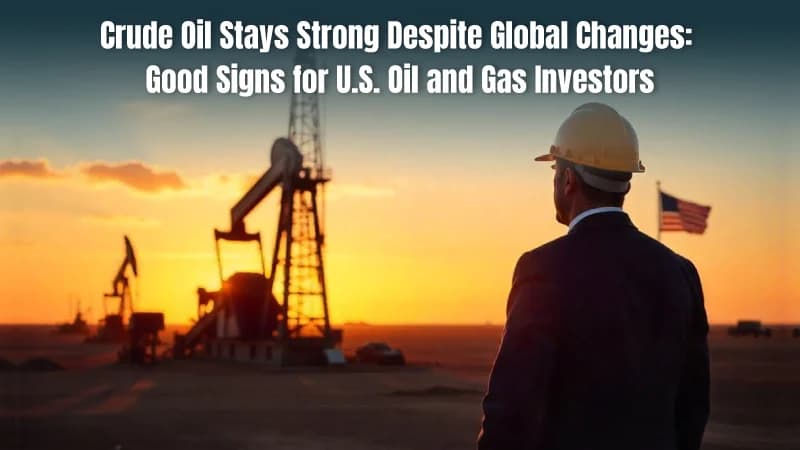
The oil and gas world saw a busy and eventful week between June 23 and June 29, 2025, but for mineral owners and those investing in energy, the news brings more promise than worry. While global incidents and final words of governments keep influencing the market, there are growing signs that the U.S. crude oil industry is steady and has room to grow—especially in terms of production, policy support, and export potential.
Let’s break down the week’s biggest updates and understand their advantages on the oil and gas industry.
The global crude oil market felt the effects of tensions and agreements in the Middle East during the last week of June. On June 23, oil prices dropped more than 7% after Iran attacked a U.S. base in Qatar. However, tankers continued to move smoothly, which meant no serious hit to the supply. The market saw this as a sign of stability.
Just a day later, on June 24, a temporary ceasefire between Israel and Iran calmed nerves, causing oil prices to drop another 6%. It was the lowest point in two weeks. While this may sound like bad news, lower prices could actually help countries like the U.S. increase their oil export expansion by increasing the demand for American oil worldwide.
By June 27, oil prices bounced slightly on the back of OPEC+ news. The oil group plans to increase production in August, which gives a clearer picture of future supply. While overall prices fell nearly 12% during the week, investors viewed this as a normal market correction after months of ups and downs.
For investors and mineral owners, the most encouraging updates came from the U.S. government. The administration has announced a new lease sale of 80 million acres in the Gulf of Mexico set for December 10, 2025. This massive offering, with one of the lowest royalty rates ever—just 16.67%—results in maximum drilling and production. For those with interests in oil-rich areas, this is a direct boost to potential earnings.
This lease opportunity comes at a time when demand for crude oil is expected to stay strong globally. U.S. oil producers have a chance to increase operations, and mineral owners could benefit as drilling expands.
Another positive sign was the Senate’s decision on environmental rules. On June 24, the Senate ruled that any effort to skip environmental review on offshore projects needs 60 votes to pass. It indicates the limitation in speed, but the process will stay stable and clear. Investors can feel more confident about how new projects are approved.
Out west, California's Energy Commission is recommending a delay in enforcing profit penalties on oil companies. Governor Newsom had proposed fines for what he called “excess profits,” but the commission now believes that these penalties could affect fuel supply while the state moves in the way of cleaner energy.
This pause is a win for oil companies operating in the state. It also shows that even in strict policy regions, lawmakers are willing to rethink aggressive moves against traditional energy. This is good news for those who own minerals in California or have shares in companies drilling there.
At the national level, a new package called the “One Big Beautiful Bill Act” (OBBBA) is being pushed by Republicans. If passed, it would undo many of the clean energy incentives from the Inflation Reduction Act (IRA) and instead put more backing behind conventional fossil fuels such as natural gas and crude oil.
This bill would:
Cut support for clean energy programs.
Reduce government spending on wind and solar.
Extend tax breaks to oil and gas businesses.
For those with investments in oil operations or royalty rights, this is a big deal. If the bill passes, it would make easier and more profitable the production of oil for industries, which could lead to more drilling and maximum earnings for mineral owners.
Another hot topic is carbon capture—a method of catching emissions before they mix into the air. While many large companies support it as a cleaner way to keep using fossil fuels, not everyone agrees.
Texas oilman Bud Brigham and energy author Alex Epstein are now campaigning to remove the carbon capture tax credits included in the IRA. They think helping fossil fuel companies should be the main priority rather than funding expensive clean-up methods.
On the other side, some of the biggest energy firms want to keep the credits. They claim that one method of producing crude oil more responsibly is through carbon capture, and they continue operations without facing too much backlash from environmental groups.
While the debate keeps going, it is concluded:
Crude oil will stay in existence, and debates regarding its potential are now more about how it is produced than whether it should be.
A quiet but important shift is happening in several states. Louisiana, Indiana, Ohio, and Tennessee have all passed laws that now label natural gas as “green energy.” This means it could qualify for the same programs and funding as renewable options such as solar and wind.
This shift is significant because it makes it possible for fossil fuel initiatives to receive further money and public backing. This type of support could result in more local projects, improved infrastructure, and more drilling in places that were previously thought to be too restricted for investors and mineral owners.
The action has generated discussion. While detractors call it "greenwashing," proponents see it as a prudent strategy to boost the economy and provide energy security without abruptly abandoning conventional energy.
In any case, it shows that people are beginning to realize that natural gas and crude oil will be important for many years to come.
So, what should you take away from all this?
Here’s a quick summary:
| Positive News for You | What’s Happening |
|---|---|
| More lease sales mean more chances for drilling and royalty income. | The government is offering new lands to explore and produce oil. |
| Crude oil is holding steady despite global pressure. | Markets remain balanced thanks to ongoing demand. |
| Environmental regulations are steady and straightforward. | No surprises for companies planning new projects. |
| Policy support is shifting toward fossil fuels. | The IRA may be rolled back in favor of oil and gas. |
| Green energy labels are being expanded to include gas. | States are giving more support to fossil fuel projects. |
| Carbon capture debates are prioritizing value and cost. | Energy companies want smarter, not stricter, rules. |
The message from this week is simple: the crude oil industry is not going away. In fact, the U.S. is positioning itself to lead in policy, exports, and production. From new lease sales and support from lawmakers to calmer markets and state-level changes, everything is pointing in one direction—growth.
For mineral owners, this means more drilling could happen on your land. For oil and gas investors, it means now might be a good time to look at new opportunities, particularly in regions with advantageous federal leasing programs or state rules.
Whether it’s by expanding exports, keeping environmental review rules clear, or promoting fossil fuels under updated green energy rules, the future looks more secure for those in the energy sector.
Crude oil continues to be the main source of energy for many nations, including the United States, despite a world that is centered on change. And there are plenty of reasons for oil and gas investors to feel secure, including consistent government support and astute planning.
Keep yourself updated, pay attention to changes in legislation, and monitor potential locations for future drilling. You can be walking right into the next great opportunity.
Informational only — not legal, tax, or investment advice.