
Loading article
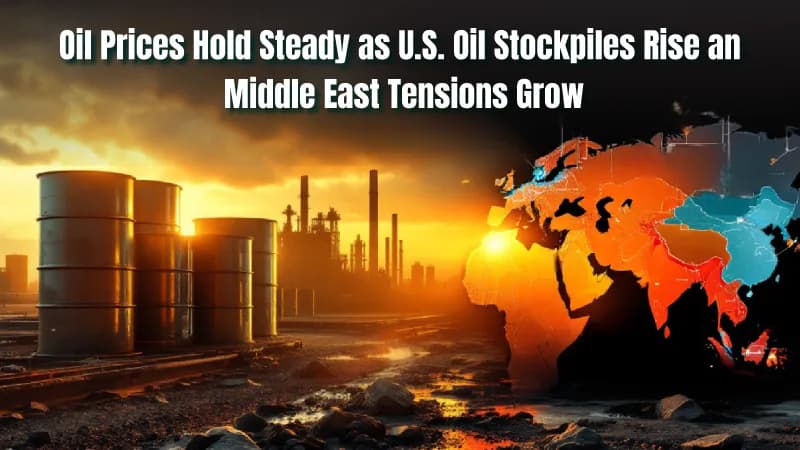
Oil prices stayed mostly flat on Thursday as traders took a cautious approach. This came after a surprise rise in U.S. oil and fuel stockpiles raised new concerns about demand. At the same time, investors were watching for updates on nuclear talks between the U.S. and Iran. With rising tensions in the Middle East and pressure from the Russia-Ukraine conflict, the oil market remains highly unstable.
The U.S. Energy Information Administration (EIA) reported that crude oil stockpiles increased by 1.3 million barrels last week, reaching a total of 443.2 million barrels. This surprised analysts, who had expected storage levels to fall by the same amount.
More oil was imported into the U.S., and at the same time, fewer people used gasoline and other fuels like heating oil. Because of this, storage went up. This caused a slight drop in the wti crude oil price earlier in the trading session.
When fuel is not being used much, it usually means that demand is low. For a market as big as the U.S., this sends a signal across the globe. Lower demand in the world’s largest oil buyer often puts downward pressure on oil prices worldwide.
As of early Thursday morning, Brent crude futures were up just 4 cents at $64.95 a barrel. The oil price per barrel today for U.S. West Texas Intermediate (WTI) crude rose by 10 cents to $61.67. Both prices barely moved, reflecting the uncertainty in the market.
Investors didn’t want to take big risks. With so many factors influencing the market, many chose to wait and see.
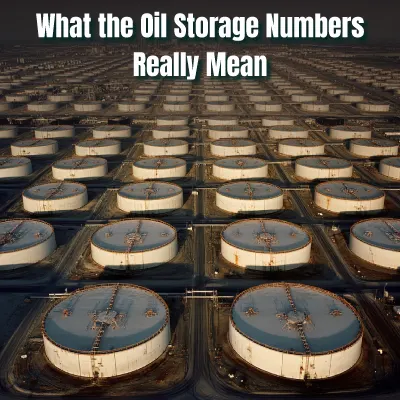
The recent increase in U.S. oil stockpiles occurred mainly because oil imports surged to their highest level in the last six weeks. At the same time, there was a noticeable decline in the demand for gasoline and distillate fuels, which include diesel and heating oil.
This shift in supply and demand trends took many market watchers and analysts by surprise, as it was not something that had been widely anticipated. According to Emril Jamil, who is a senior analyst at LSEG Oil Research, this unexpected rise in stored oil supplies could put additional downward pressure on the wti crude oil price in the coming days.
He further noted that this situation may also result in more U.S.-produced oil being exported to other parts of the world, especially to Europe and Asia, since the domestic U.S. market currently appears to have more oil than it needs.
This could shift global trade flows, with American oil becoming more available and potentially cheaper for foreign buyers. Countries in Europe and Asia might take advantage of the lower prices and increase their purchases from the U.S.
At the same time, this trend might impact oil producers within the U.S., who could face lower profits if prices continue to fall. Analysts are watching closely to see how long this imbalance between supply and demand will last.
Even though the storage news was negative, some experts remain hopeful. They believe that the summer driving season, which starts after the Memorial Day holiday in the U.S., could boost fuel use.
Hiroyuki Kikukawa, a strategist from Nissan Securities, said more people on the roads could lower storage levels and limit how far oil prices can fall. If demand picks up, prices might rise again.
On top of the storage issues, oil traders are keeping a close eye on talks between the U.S. and Iran. A new round of nuclear discussions is set to take place in Rome this Friday.
If the talks are successful, Iran may be allowed to sell more oil to the global market. This would increase supply and could push oil prices lower.
But if the talks fail, tensions could grow. Iran is the third-largest oil producer in OPEC. If something disrupts its supply, it could have the opposite effect and drive oil prices higher.
Another issue weighing on the market is a CNN report that said U.S. intelligence believes Israel may be preparing to strike Iranian nuclear sites. While it’s still unclear if Israel has made a final decision, even the rumor added tension to the oil market.
An actual attack could lead to major supply disruptions. And that would almost certainly push oil prices higher in a very short time.
Traders are being cautious and not taking big positions. They are waiting to see if the U.S.-Iran talks calm things down or make them worse.
Adding to the uncertainty, Ukraine is calling on the European Union to take stronger action against Russia. A recent white paper showed that Ukraine wants the EU to freeze Russian assets and put sanctions on buyers of Russian oil.
If the EU agrees, it could reduce the amount of Russian oil reaching the global market. That would tighten supply and drive up oil prices.
This is another reason why the market is nervous and watching crude oil news closely.
Back in the U.S., fuel use is still down. The EIA’s weekly report showed lower demand for both gasoline and distillates. That’s why storage levels went up.
The recent high level of oil imports only made the situation worse. More oil is coming in, but not enough is being used. So, supply is outpacing demand — and this can lower oil prices unless something changes.
Still, experts believe the summer season could change the trend. Warmer weather and vacation travel usually mean more cars on the road. If this happens, fuel use will rise, and oil in storage will start to fall.
If demand rises quickly, it may help balance the market. This could lead to a steady increase in oil prices over the coming weeks.
Right now, the market is dealing with too many mixed signals:
U.S. oil storage is rising.
Fuel demand is falling.
Nuclear talks with Iran might increase supply.
Israel might strike Iran and reduce supply.
Ukraine wants tougher sanctions on Russia.
Summer may boost fuel use.
With all these moving parts, no one is sure where oil prices are headed. That’s why prices are not rising or falling by much —they’re stuck in the middle.
To decide where to move next, investors are watching:
The oil price per barrel today and short-term changes.
Results from U.S.-Iran nuclear talks in Rome.
Possible actions by Israel toward Iran.
Whether the EU agrees to Ukraine’s sanctions plan.
Daily updates in crude oil news.
Summer driving trends in the U.S.
Any one of these events could swing oil prices quickly. Traders are reading every headline and report very closely.
The current market is like a tug-of-war. Rising storage and weak demand are pulling oil prices down. But geopolitical risks like war, sanctions, and nuclear talks are pushing them up.
That’s why oil prices are not moving much today, but they could swing in either direction tomorrow. The best thing to do now is stay alert, follow the news, and watch the data.
For those tracking the wti crude oil price, Brent crude, or just trying to understand the oil price per barrel today, one thing is clear: the oil market is at a crossroads, and the next big headline could change everything.
Informational only — not legal, tax, or investment advice.