
Loading article
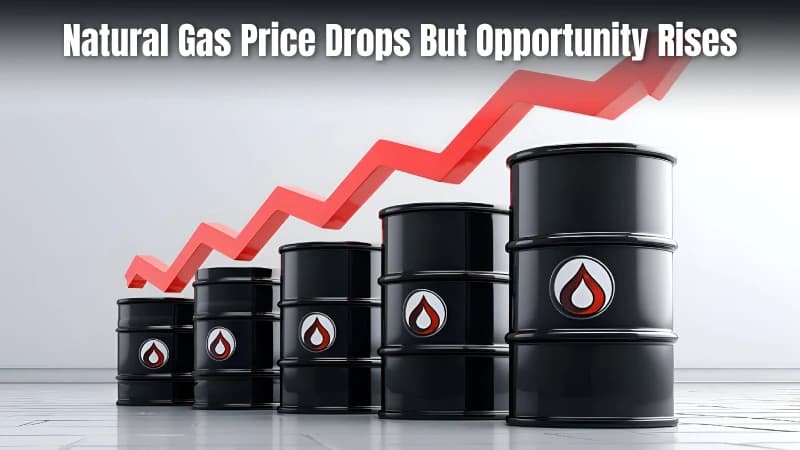
The U.S. just saw one of its strongest natural gas output weeks of the year—and the market felt it. Natural gas prices dipped more than 3% as production reached nearly record levels, according to industry data released in late July. For everyday people watching gas bills, this might seem like a win. But for investors, mineral rights owners, and industry watchers, this drop is part of a much bigger and more complex picture.
So, what’s really going on? And why are gas prices dropping even as demand rises during peak summer heat?
This blog breaks down what the latest production numbers mean for the natural gas price, what’s influencing market moves, and why this could actually be good news for long-term investors and landowners.
Let’s start with the numbers.
During the final days of July, data showed that U.S. natural gas production jumped, reaching a level close to the highest we've seen this year. The sharp increase in supply sent natural gas prices down more than 3% on the spot market.
This change was especially noticeable at the Henry Hub, the main trading point for natural gas in the U.S. The henry hub natural gas prices dropped to around $2.58 per million BTU (British Thermal Units), after hitting a high of $2.67 just a day before.
This drop may seem small at first glance, but for a highly traded commodity like gas, these movements matter a lot.
Normally, hot summer months bring strong demand for electricity. People use more air conditioning, and power plants burn more gas to keep up. So then, why are gas prices dropping when demand should be up?
Here are a few key reasons:
Even with heatwaves pushing electricity use higher, the current supply of natural gas is so strong that it’s keeping prices from rising. The U.S. is simply producing more gas than it’s using.
Natural gas storage levels across the country are higher than usual for this time of year. This means there’s no urgency to buy extra gas at higher prices, which keeps the natural gas price lower.
While parts of the U.S. are seeing intense heat, other areas are not using as much energy. This reduces overall demand and helps explain why us gas prices are not rising across the board.
Now, if you’re invested in natural gas or if you own land with mineral rights, you may be wondering what this means for you.
Here’s the good news: this isn’t necessarily a bad sign.
High production levels signal that companies are finding and tapping into rich reserves. That’s a good sign for the industry’s health. It means better efficiency and stronger long-term value.
If you’re holding energy stocks, this could lead to higher dividends down the road—even if short-term prices dip.
For mineral owners, higher output usually means more wells on your land. That can lead to steady royalty checks, even if the natural gas price is temporarily lower.
Even though prices are soft now, the world is still hungry for U.S. natural gas. Recent trade deals with Europe and Asia are expected to drive up exports. As global demand grows, the market for U.S. gas will likely strengthen.
The Henry Hub natural gas prices serve as a key reference point for both domestic and global markets. When prices at Henry Hub shift, it influences contracts, futures, and investment decisions worldwide.
Right now, the price dip suggests the market is stable but oversupplied. That’s not a reason to panic—it just reflects the natural cycle of production and consumption.
For investors, keeping an eye on Henry Hub prices helps identify buying opportunities when the market is undervalued.
In today’s world, natural gas is often seen as the cleaner fossil fuel, and a bridge to renewable energy. With global pushback against coal and increased regulation on oil, natural gas continues to hold a strong position in the energy mix.
So even if the natural gas price moves around in the short term, the long-term picture remains positive. Major utilities and industries are still betting big on gas—and so are international buyers.
For landowners and investors, this is a stable, lower-risk part of the energy market.
If you’re looking to make smart choices in the gas market, here are a few key factors to track:
Weekly reports from the Energy Information Administration (EIA) will show how much gas is being stored. Lower-than-expected storage could push prices back up.
Since weather affects gas use, watch for extended heat waves or cold snaps. Either could increase demand and raise the natural gas price.
As new LNG (liquefied natural gas) terminals open, exports may rise, creating more demand. That’s a big win for U.S. producers and mineral owners alike.
If you own land in areas like Texas, Pennsylvania, or New Mexico, now might be the time to explore leasing opportunities with gas companies. The rise in production means companies are actively looking for drilling locations, and you could benefit from signing new contracts or renegotiating old ones.
Even with the recent us gas prices drop, royalty payments are still flowing, and competition between drillers could increase your share.
Many investors are turning their eyes to energy stocks, and especially those focused on natural gas infrastructure like pipelines and storage. While producers feel the pinch during low price periods, pipeline companies and LNG exporters can continue to generate strong income.
This makes natural gas a defensive asset for those looking to build a more balanced investment portfolio.
So, Should You Worry About Falling Natural Gas Prices?
The short answer is not really—especially if you’re thinking long term.
Here’s why:
The U.S. has positioned itself as a top exporter of gas.
Energy demand continues to rise worldwide.
Domestic infrastructure is growing fast.
New tech is making drilling cheaper and faster.
All of these factors suggest that while prices may move up and down in the short term, the overall future of natural gas looks bright.
Smart investors don’t run from price dips—they lean into them. Right now, with the natural gas price showing temporary softness, it may be a perfect time to invest in:
Natural gas stocks
Midstream pipeline operators
LNG exporters
Mineral-rich land leasing opportunities
And if you're a landowner, this is a good moment to talk to professionals about your royalty contracts or drilling rights.
The recent 3% drop in natural gas prices is a normal, healthy part of how markets work when supply surges. While headlines may highlight price dips, the full picture shows a strong, resilient U.S. natural gas industry that’s ready for the future.
Whether you’re an investor, a royalty owner, or someone exploring the energy market, there’s still a lot to gain from staying informed, staying patient, and seeing beyond the short-term numbers.
Keep your eyes on the Henry Hub natural gas prices, watch the weather, follow trade deals, and trust that smart investments in gas are far from over.
Informational only — not legal, tax, or investment advice.