The oil sector remains a reliable platform of employment, and oil and gas jobs are still among the most sought-after careers in 2025. Whether you are a recent graduate, a job changer, or an experienced professional, there’s a wide range of roles available—from fieldwork to engineering to management.
In this guide, we will go over what is necessary to understand about oil and gas jobs: what they are, how to get one, what they pay, and where the opportunities are. Let’s take a closer look.

About Oil and Gas Jobs?
Any activity involving the discovery, transportation, extraction, production, and refinement of natural gas and oil is considered an oil and gas job. Both onshore and offshore, these positions include responsibilities such as
Field workers on rigs and drilling sites
Engineers who design systems for extraction
Technicians maintaining equipment
-
Professionals handling environmental safety, finance, and project management
Most jobs fall under one of the major categories: drilling operations, oil exploration, gas production, or the refining process.
Why Oil and Gas Jobs Are Still in High Demand?
A significant amount of the world economy is still driven by gas and oil, notwithstanding the growth of renewable energy. Oil and gas jobs will continue to be in demand as long as factories, automobiles, and airplanes are powered by fuel.
Reasons for the continued demand include:
-
Ongoing drilling in high-output regions like the Permian Basin
-
Expansion in deepwater and offshore projects
Retirement of experienced workers leaving talent gaps
-
Growth in international oil exploration and export markets
These trends mean that skilled workers are always needed in drilling operations and gas production sites.
Top 10 High-Paying Oil and Gas Jobs in 2025
Here are some of the highest-paying roles in the oil and gas industry:
1. Petroleum Engineer
The role of this job is to find the best and safest ways to take oil and gas out of the ground. It involves studying underground rocks, choosing the right tools, and planning how to drill. The person also works with a team to solve problems and make sure the process is safe, efficient, and doesn’t harm the environment. Salary range: $77,457 to $216,508.
2. Drilling Engineer
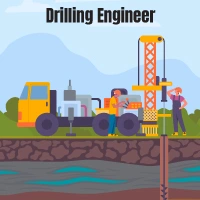
This job involves managing drilling operations from start to finish. The person plans how and where to drill wells, sets the budget, and makes sure everything runs smoothly during the drilling process. They also lead the team, solve any problems that come up, and make sure the work is done safely, on time, and within budget. Salary Range: $90,000 to $137,000.
3. Reservoir Engineer
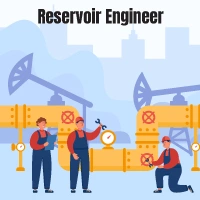
This job focuses on finding and studying underground reservoirs that hold oil and gas. The person looks at rock and fluid data to understand where the oil and gas are located and how much can be produced. They also build computer models to predict how much oil and gas might come out in the future, helping teams plan better for long-term production. Salary Range: $61,000 to $173,500.
4. Production Engineer

This job involves checking the daily oil and gas output from wells and making sure everything runs smoothly. The person keeps track of how much is being produced and looks for ways to improve it. They work with a team to fix any issues and find better methods or tools to increase production safely and efficiently. Salary Range: $92,744 to $148,989.
5. Geoscientist
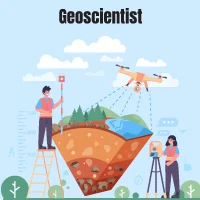
This job involves studying rock samples to find areas that may contain oil or gas. The person looks at the type and structure of the rocks to understand where oil might be trapped underground. They work closely with exploration teams to help decide where to drill, making sure the chances of finding oil are as high as possible. Salary Range: $79,000 to $154,000.
6. Landman
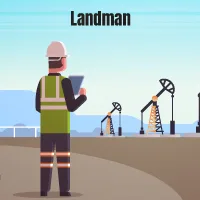
This job involves managing land deals and making sure all drilling work follows the law. The person works with landowners to get permission to use their land for oil and gas operations. They also check legal documents, handle contracts, and make sure all permits are in place before any drilling begins. Salary Range: $57,628 to $155,836.
7. Rig Manager
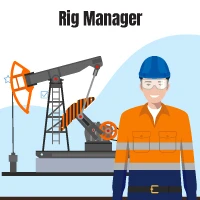
This job involves managing everything that happens on an oil rig. The person makes sure the crew works safely, the equipment is working properly, and the job stays on schedule. They lead the team, solve problems quickly, and make sure all safety rules are followed to keep everyone safe during drilling operations. Salary Range: $78,334 to $155,934.
8. Health, Safety, and Environment (HSE) Specialist

This job makes sure all safety rules are followed during drilling and production work. The person checks that workers use the right safety gear, equipment is handled properly, and all safety procedures are in place. They also train the team, inspect the site regularly, and help prevent accidents by spotting risks early. Salary Range: $61,000 to $91,000.
9. Pipeline Engineer
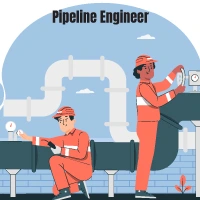
This job involves designing and overseeing the setup of pipelines that carry oil and gas from one place to another. The person plans the safest and most efficient pipeline routes, selects the right materials, and makes sure the installation is done correctly. They also check that the pipelines meet safety and environmental rules and work properly after installation. Salary Range: $73,481 to $180,103.
10. Process Engineer (Refining)
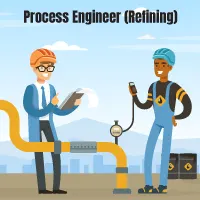
This job is part of the refining process, where crude oil is turned into useful products like gasoline, diesel, and jet fuel. The person helps operate and monitor machines in the refinery, making sure everything runs safely and smoothly. They also check the quality of the final products and help improve the process to get better results. Salary Range: $71,500 to $233,000.
Note: The salary ranges provided above represent annual figures and are sourced from reputable industry references. Actual salaries may vary and are influenced by factors such as location, employer, and individual experience.
Entry-Level Oil and Gas Jobs with No Experience
You don’t need a degree to get started in the oil and gas field. Many positions offer good pay and on-the-job training:
-
Roustabout: Performs basic maintenance on oil rigs.
-
Lease Operator (Pumper): Monitors well performance and records data.
-
Floorhand: Supports drilling crew with equipment handling.
-
Mud Logger: Assists with analyzing drilling samples.
-
Truck Driver: Transports materials to and from drilling sites.
These jobs give workers real exposure to drilling operations and get them ready for more senior positions.
Proficiency and Skills You Need for Oil and Gas Jobs
Most oil and gas jobs require technical training, solid dedication to duty, as well as a readiness to work in remote locations.
Common Qualifications:
Engineering degree for technical-related works
-
Trade certifications for mechanical, electrical, or welding jobs
-
H2S and certifications and proficiency of safety for field workers
Cooperation and physical health skills
Jobs like Drilling Engineer, Production Engineer, and Petroleum Engineer usually require a college degree in engineering and industry licenses.
Offshore vs. Onshore Oil and Gas Jobs: What’s the Difference?
Oil and gas jobs can take you miles offshore, through woods, plane lands and into deserts. Here is a comparison between them:
Offshore:
Usually located on oil rigs at sea
Shift-based: 14 days on, 14 days off
Isolated but high-paying
Onshore:
Based on land (fields, terminals, refineries)
Standard or extended shifts
-
More approachable and frequently suitable for families
Jobs ranging from gas production to refining process operations are supported in both contexts.
How to Apply for Oil and Gas Jobs: Step-by-Step Guide
Getting hired for oil and gas jobs takes a smart approach:
-
1. Build a resume with keywords (e.g., drilling, rig, safety, operations)
-
2. Sign up for oil and gas job platforms such as “Rigzone”, “Indeed Energy”, or “Oil and Gas Job Search”
-
3. Earn safety certifications that are industry-standard (like SafeLand, H2S, TWIC)
-
4. Apply to large energy companies such as Chevron, ExxonMobil, Schlumberger, or Halliburton
-
5. Keep informed of project expansions and industry developments.
Where to Find the Best Oil and Gas Jobs in the U.S.
Oil and gas activity is spread across the U.S., but some regions are hiring faster than others:
-
Texas (Permian Basin): Huge demand for workers in drilling operations
-
North Dakota (Bakken Formation): High pay and rotational jobs
-
Louisiana: Opportunities in offshore drilling and the refining process
-
Colorado: Balanced work in gas production and pipelines
-
New Mexico: Expanding center for oil exploration
Women in Oil and Gas Jobs
More women are entering oil and gas jobs, getting positions in management, safety, engineering, and field operations.
Companies are increasing efforts to:
Provide flexible shifts
Promote women in leadership
Provide training courses and mentorship
As gender diversity improves, the industry opens new doors for talent across all backgrounds.
Future Trends: What’s Next for Oil and Gas Jobs?
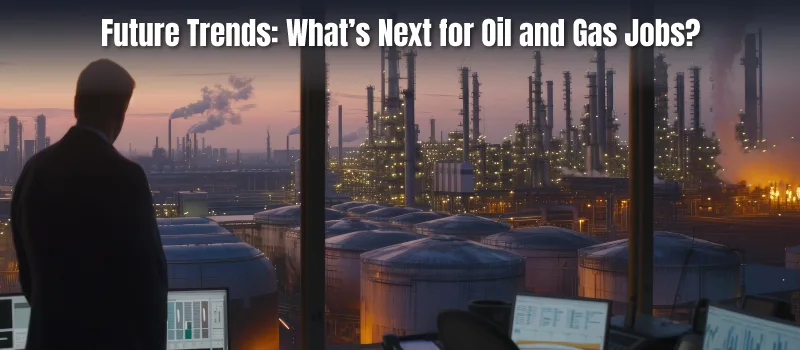
The future of oil and gas jobs will be better with both technology and sustainability:
-
Automation: Minimizes monotonous work yet creates demand for tech-savvy workers
-
Digital tools: Engineers now perform model reservoirs using software and simulate drilling operations
-
Carbon capture: Latest roles and jobs are emerging in environmental safety and compliance
-
Remote monitoring: Expands job reach beyond on-site workers
Jobs like Reservoir Engineer and Production Engineer will evolve with the latest automation techniques and AI.
Final Words
Energy still powers the world, and the oil and gas jobs are crucial to that. This business offers excellent compensation, valuable abilities, and worldwide prospects for technicians, engineers, and entry-level workers alike.
Anyone with the proper attitude and training can find a place in everything from oil exploration to the refining process. Now is a good time to look into a career in oil and gas since the sector is becoming more open and tech-driven.
Looking to track your royalty income or manage assets in oil and gas? Visit MineralView for smart tools designed for mineral owners and investors.