When you buy a property, you probably think you own the whole package- the grass on top and all the minerals beneath - but land ownership is actually a whole lot more complicated than that. Surface rights - the bit that actually lets you control what happens on the surface of your land - is a concept that can get really tricky, especially when mineral and surface rights get split off and you end up with a “split estate” situation where different people control different bits of the same property. In these cases, mineral rights ownership can be separated from surface rights, meaning a property owner may not have control over the minerals beneath their land. The distinction between surface rights and mineral rights is crucial, as each can be owned, transferred, or leased independently.
This is a pretty detailed guide to get your head around the ins and outs of land ownership, protect your interests as a surface owner, and figure out how underground resource extraction affects your property rights. Understanding landowner rights is essential, as a property owner may retain or lose certain rights depending on how the surface rights and mineral rights are split.
Before you buy, always check the property deed to see whether surface rights and mineral rights are included or have been severed. The property deed will show the status of these rights and help you understand exactly what you’re getting.
Key Takeaways to Keep in Mind
-
Surface rights are basically all about owning and controlling what happens on the surface of your land - you don't own what's below ground.
-
Mineral rights are usually the dominant estate and usually mean you have to let the people who own them do necessary drilling and related operations.
-
Surface use agreements are a good idea to have when you're dealing with oil and gas drilling on your land.
-
Surface rights usually extend only to a certain depth, enough for things like building foundations, water wells, and septic systems, but not deep enough for mining minerals.
-
If mineral and surface rights are owned separately, it can affect how valuable your land is and what you can do with it - so do some research before you buy.
What Are Surface Rights All About?
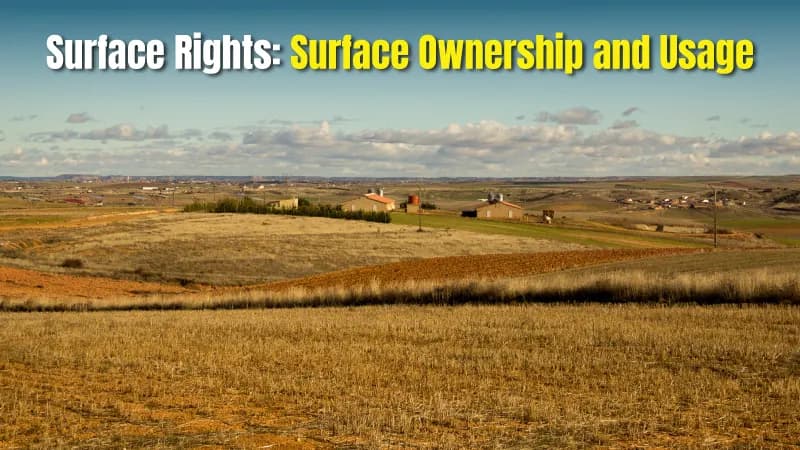
Surface rights are one part of the complex land ownership puzzle that lets you control the surface of land. This includes all the usual stuff - buildings, crops, activities and most above-ground stuff including, for instance, your garden. Surface rights may also allow for the installation of infrastructure such as underground storage tanks. Unlike the old-fashioned way of owning land where one person had both the surface and all the minerals underneath, surface rights can exist on their own when someone else owns the minerals.
Surface rights have been around for ages. The idea used to be that land ownership stretched right down to the center of the earth, and if you owned the land above you also owned all the minerals below - but this changed when people started getting interested in digging up all those underground resources. As the United States went through its oil and gas boom, mineral rights started getting split off from surface ownership more and more. In these cases, the mineral rights holder has the legal right to access and extract subsurface resources, such as oil, gas, coal, and other minerals, even if they do not own the surface land.
Today, surface rights define what you can and can’t do with your land above ground, from building a house to raising livestock - but if the mineral rights belong to someone else, you still have to let them have access to the minerals underneath. In some cases, surface owner's consent may be required for certain activities, but this consent can be limited or overridden depending on how the rights are structured.
When you buy a property, you need to check the title deed to find out who owns the mineral rights and whether they’ve been split off from the surface rights. This is important to know before you spend your money on a property.
What Does Surface Rights Involve?
Surface rights cover all sorts of things you can do on the surface of your land, from building a house to planting a garden. While you can sell the surface rights, you cannot sell land for the purpose of resource extraction if you do not own the mineral rights.
Structural Development Rights You’re allowed to build whatever you like - houses, barns, even commercial buildings - as long as it’s in line with local building and zoning laws.
Depth and Limitations of Surface Rights
Getting your head around how deep surface rights go is pretty important, as it determines what you can do without needing to get special permission from the mineral rights owners - or them needing to give permission.
How Deep Does Surface Rights Go? Generally, you’re only allowed to go down so far - for things like foundations and water wells and septic tanks - but it’s different in every state - so find out what the rules are in your state before you start digging. Surface rights govern the use of the land up to a certain depth, but below that, mineral rights take precedence.
State-Specific Variations Some states have more relaxed rules - Texas, for example, lets you dig wells and install septic tanks without getting permission from the mineral rights owner, but other states are more restrictive.
The Boundary with Mineral Estate - Where exactly does your surface rights stop and the mineral rights start? - and what you can do on the surface and what needs permission from the mineral rights owners can get pretty complicated.
Understanding the Surface Estate
The surface estate is a fundamental part of land ownership, giving the surface owner the legal right to use and enjoy the surface area of their property. This includes everything you see above ground: homes, barns, crops, trees, water features, and any other physical properties on the land. Surface rights refer to the ability to farm, build, hunt, graze livestock, and generally control how the surface of the land is used, as long as those activities comply with local laws and zoning.
When it comes to land ownership, the surface estate is often what most people think of first. However, in many cases, the mineral rights, the rights to the minerals and resources beneath the surface, may be owned separately. If the mineral rights have been severed from the surface rights, the surface owner still retains ownership and control of the surface estate, but must also recognize the mineral owner’s right to access the underground resources.
This is where surface use agreements become essential. These agreements are designed to balance the interests of both the surface owner and the mineral owner, outlining how the surface can be used for mineral development while protecting the surface owner’s rights and minimizing disruption. For example, a surface use agreement might specify where roads or drill sites can be placed, how surface damage will be repaired, and what compensation will be provided for any loss of use or value.
Understanding the surface estate and how it interacts with mineral rights is crucial for anyone involved in land ownership, whether you’re buying, selling, or simply looking to protect your property. By knowing your rights and responsibilities as a surface owner, and by using clear surface use agreements, you can help ensure that your use of the land is respected even when there are valuable minerals beneath the surface.
Surface Rights vs Mineral Rights - What's the Difference?
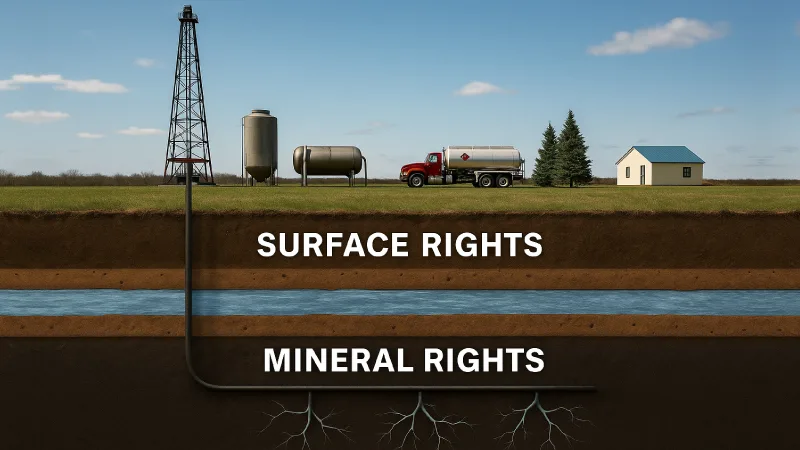
The difference between owning surface and mineral rights is one of the most confusing bits of land ownership - but getting your head around them is pretty important when it comes to deciding whether to buy a property or not.
Here’s a quick rundown on what each one involves and how they differ.
In many cases, mineral rights owners can lease their rights to energy companies, who act as lessees or operators, for the purpose of exploring and developing underground resources. These arrangements often involve oil and gas lease or gas lease agreements, which grant energy companies the right to extract resources such as oil, gas, and minerals. Such leases can impact both surface and mineral rights, and typically include provisions regarding land use and compensation.
A key financial benefit for mineral rights owners who lease their rights to energy companies is the receipt of royalty payments, which are ongoing payments based on the value or volume of resources extracted.
Additionally, mineral rights owners may benefit economically from producing oil or gas through the development and extraction of these resources, further increasing the value of their ownership.
Ownership Structure Differences
|
Aspect |
Surface Rights |
Mineral Rights |
|---|---|---|
|
Scope |
Above ground activities and reasonable depth |
Underground resources and extraction |
|
Legal Status |
May be subject to mineral rights |
Often considered the dominant estate |
|
Economic Value |
Based on the development & use potential of properties |
Linked to commodity prices & the availability of resources below ground |
|
Duration |
Permanent, with the buyer owning the land surface |
The mineral rights can be sold or leased separately |
|
Access Requirements |
No special access needed for surface activities |
May require surface access for extraction activities |
The Dominant Estate Principle Mineral rights are generally considered to be the dominant estate when they're split from the surface ownership of a property. This principle means that mineral owners and the companies they hire to mine their property have the right to use the surface in a reasonable way to get at the underground resources. The owner of the surface can't stop them from extracting the minerals, even on their own land, if it's not unreasonable.
Economic Implications : Properties that have both surface & mineral ownership rights generally sell for a higher price than those with just mineral rights. That's because there is a greater potential for the surface to be used in some way that doesn't harm the value of the property. Studies show that properties with mineral rights sold separately from the surface may sell for 10-30% less than properties that have complete ownership rights. That's likely because people are aware that the surface is being used for industrial purposes & may not have control over that.
Transfer & Inheritance Considerations : When you're selling a property, you can choose to keep the mineral rights for yourself & sell the surface rights to someone else. Or, you can sell the surface rights to someone else & keep the mineral rights for yourself. This gives you the flexibility to sell the surface as is suitable for farming or development, but keep the mineral rights to make money from leasing to oil or gas companies.
Most Common Conflicts Between Surface & Mineral Rights Owners
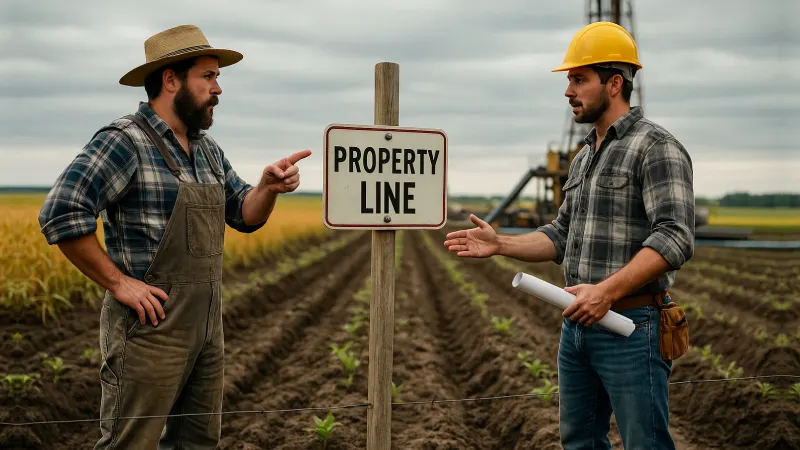
When mineral rights owners aren't owned by the same person as the surface rights (this is called a split estate) there can be disputes between the two parties. Understanding these conflicts will help surface owners prepare for the challenges that might arise & protect their interests.
Access & Road Construction Disputes To drill oil or gas wells, the companies need to get across your land. That often means building roads & that can be a problem when it interferes with farming, or with people living in the area. The mineral company might choose to go across your land in a way that gets in the way of farming, but the law generally says they have the right to use your surface as long as they're not being unreasonable.
Damage to the Surface from Industrial Operations Drilling & extracting oil & gas can cause a lot of damage to the land surface - heavy equipment traffic, spills & the placement of extra infrastructure. In some cases, the companies are going to disturb a lot more land than they think they will & that can hurt agricultural productivity, or make the land look ugly. The surface owner often struggles to get enough money for those kinds of damages.
Noise, Dust & Environment Impacts Drilling can be very noisy, make a lot of dust and even produce bad smells that can really affect how you can use the surface of your land. If you live out in the country, you might have 24 hour drilling going on next door to you, with big trucks & heavy lighting that gets in the way of your normal use of the land. These impacts can last for months or years.
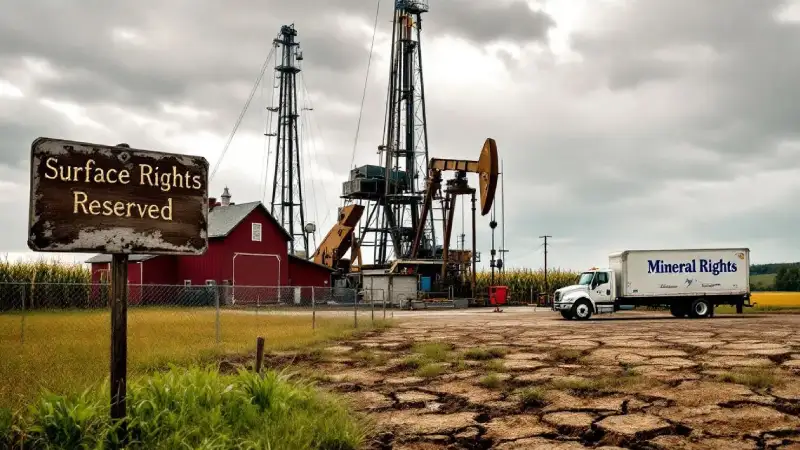
Property Value & Marketability Concerns When someone is looking to buy a surface property, the presence of oil or gas development on or near the land can significantly affect their decision. Many buyers are hesitant to purchase property with active drilling operations nearby due to concerns about noise, disruption, and environmental impacts. This often leads to a lower market value for properties with ongoing or potential oil and gas activities. Even after drilling operations have ceased, the reputation of the land as an active resource extraction site can continue to reduce its appeal and resale value. Therefore, if you’re considering selling or buying surface rights, it’s important to understand how mineral development can influence property desirability and price.
Timing & Notification Issues One of the problems with dealing with oil & gas development is that you might not get a lot of notice that they're planning to start drilling on neighboring property, which can affect your life even if you're not directly impacted. The oil & gas companies might start operating on your neighbor's property without even talking to you about it.
Role of Oil and Gas in Mineral Development
Oil and gas companies are at the heart of mineral development, as they are the ones who actually extract underground resources like oil and natural gas. When a mineral owner holds the rights to these valuable resources, they often lease their mineral interests to an oil and gas company. This allows the company to conduct drilling operations and other activities necessary to extract resources from beneath the surface of the land.
For property owners and surface owners, this process can have a big impact. The oil and gas company may need to use the surface of the land to build roads, set up drill sites, and install infrastructure for resource extraction. Because mineral rights are typically considered the dominant estate, the mineral owner and by extension, the oil and gas company has the legal right to access the surface to extract minerals, even if someone else owns the surface estate.
To help accommodate surface owners and minimize conflicts, surface use agreements are commonly used. These agreements spell out how the oil and gas company will use the surface, what steps will be taken to reduce surface damage, and how the surface owner will be compensated for any disruption or loss of use. Fair compensation is a key part of these agreements, ensuring that surface owners are not left bearing the costs of mineral development.
The relationship between mineral rights and surface rights is especially important in areas with active oil and gas development. Understanding the key differences between these rights, and how the dominant estate principle works, is essential for anyone involved in land ownership, mineral ownership, or resource extraction. As the oil and gas industry continues to evolve, clear agreements and open communication between mineral owners, surface owners, and oil and gas companies are more important than ever to ensure that everyone’s rights are respected and that the land is used responsibly.
Protecting Your Surface Rights
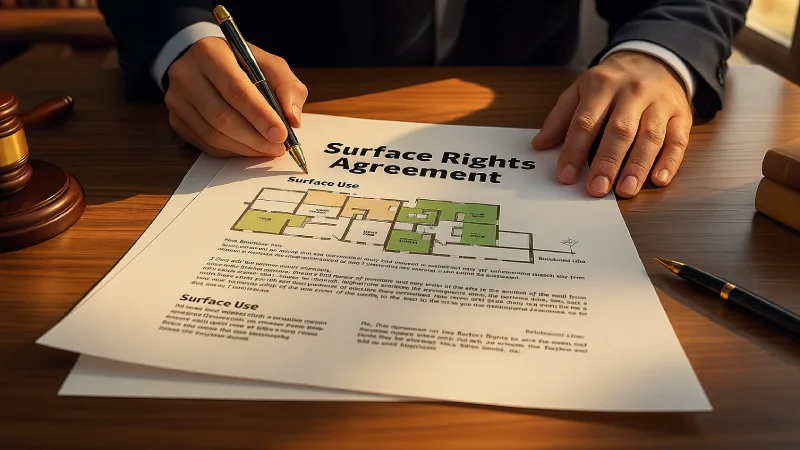
You can take proactive steps to protect your surface rights & reduce the conflicts with mineral operations. By understanding the mechanisms you have available, you can keep more control over your land surface even when there are industrial operations going on.
Negotiate Surface Use Agreements A Surface Use Agreement (SUA) is the key document you need to have in place to protect your surface rights if you're going to let the oil or gas companies on your land. These agreements cover things like who gets to use the surface, what compensation you'll be paid if they cause any damage, what sort of restrictions are in place to protect your rights & the environment, and more. By getting a good SUA in place, you can significantly reduce how much conflict you have & get a fair deal.
Some key elements of a good surface use agreement include:
Clearly defining what surface access routes you'll allow them to use
A compensation plan that takes into account any surface damage or lost agricultural productivity
Environmental rules & spill response plans to protect the land
Plans for restoration & reclamation after they're all done extracting the oil or gas
Restrictions on noise & lighting to protect your home or farm
Getting Fair Compensation Before the oil & gas companies start digging on your land, you should document what the surface looked like & what your property was worth. That way, you can show what kind of damage they caused & get some real money for it. It often helps to hire an expert to take a look at your property before anything happens.
Get a Lawyer who knows Oil & Gas Most lawyers don't know much about oil & gas law. But if you're dealing with an oil or gas company on your surface, you need someone who really understands what's going on. These lawyers know what the standard practices are in the industry, how much to ask for in compensation & the strategies that work in these kinds of cases.
Understand the Accommodation Doctrine The accommodation doctrine says that if the oil or gas company has an alternative way of getting to the minerals at a similar cost, they have to use that instead. While the mineral rights are still pretty much in charge, the company can't go through your surface if they've got a better way to get there. That's something you should keep in mind when you're negotiating a SUA.
Legal Considerations for Surface Owners
When you own the surface of a property, you have to consider a lot of different areas of law - property law, contracts, regulatory compliance... Surface owners have to think about a lot of different things to protect their rights & make the right decisions about their land.
Some legal factors to consider in all this includes: whether you have the right to control who uses your surface, what happens when you have a lease agreement with an oil or gas company & whether the agreement you sign will protect your rights, & what sort of regulatory permits are in place for the oil & gas company to operate on your land.
In order to protect your rights & be able to navigate all these regulations you need a good understanding of what's required to ensure that you remain in control of your land. Title Research and Chain of Ownership Before you buy a property, its a good idea to dig into the title to understand exactly what rights you're getting. Property deeds are often written in super technical language about things like retained mineral interests and previous deals that severed certain rights. Having a pro who understands title searches can really help identify potential issues and give you a clear picture of who owns what.
A thorough title search should look into :
- The whole chain of ownership going all the way back to when the land was first handed out
- Any recorded mineral deeds or lease agreements that may have been made
- Any existing easements or right-of-way deals that could affect your ownership
- Any outstanding mineral lease agreements or production arrangements that could impact your land
- The tax records and how the surface and mineral interests are taxed in that state
State Law Variations Surface and mineral rights are totally different from state to state - and it's especially confusing when it comes to balancing the rights of the surface owner with those of the mineral developers. Some places , like Texas, really lean in favor of mineral rights while others offer much stronger protection for the surface owners. Knowing the local law will give you a much clearer idea of your rights and what you can and can't do.
Tax Implications of Ownership When surface and mineral rights are split up, the tax situation can get really complicated. Surface owners usually pay property taxes on the value of the land itself, and the mineral owners or lessees pay taxes on their mineral interests. However, if you're a surface owner but your mineral properties are being worked, you might be on the hook for damages or improvements related to those operations - which can affect your tax bill.
Insurance and Liability Considerations Homeowners insurance and basic property insurance is unlikely to cover damages related to mineral extraction activities. If you're a surface owner you should definitely take a close look at your insurance policy and consider getting a policy that covers mineral-related risks. Some insurers even offer specialized policies specifically for property owners in areas with active oil and gas development, which can be a good idea if you're concerned about surface damage from drilling.
Environmental Law Considerations As a surface owner, you could be liable for any environmental problems caused by mineral extraction activities, even if you don't have control over the operations themselves. Getting a good grasp on the environmental implications can really help you negotiate better terms with the mineral operators, as well as get good insurance coverage. And it's not just state laws - there are federal regulations that can impact your use of the surface in areas with groundwater concerns or endangered species habitats.
Quick Answers
Can I stop mineral companies coming onto my land if I only own the surface rights?
No, if you only own the surface but someone else owns the mineral rights, you generally won't be able to stop them from accessing your land to get to the minerals underneath. Mineral rights usually take precedence, meaning the mineral owner has the right to use as much of your surface as they need to get to the resources. However, you can negotiate the terms of that access with the mineral company through a surface use agreement and get some compensation for any surface damage that results.
How do you figure out how much to pay for surface damage caused by drilling operations?
The amount paid for surface damage usually comes down to negotiations between the surface owner and the oil and gas company, often as part of a surface use agreement. The factors that can affect the amount paid include lost agricultural productivity, how much the property value drops, the cost of restoration, and how much of a nuisance the drilling operations were. Some states have minimum requirements for compensation and even some formulas to help figure out what's fair, and getting a professional appraisal can be a big help in making sure you're paid what you're owed.
What happens if I want to build something in an area where mineral extraction is planned?
If you want to build on land where there are planned mineral extraction operations, you'll need to work with the mineral rights owner or lessee. There are some situations where the accommodation doctrine might come into play, which means the mineral operator might have to find an alternative way to extract the minerals if possible. Or you might need to change your building plans or relocate your construction altogether - communication with the mineral operator early on can really help avoid conflicts and costly changes.
Do I get notice before drilling starts on my surface property?
Depending on where you live, you might get some advance notice before drilling starts on your property - but the amount of notice varies a lot by state. Usually, operators will give you some warning, often with 10-60 days, and they'll have to give you some information about what they plan to do, how long it'll take, and who to contact. However, in some places with really strong mineral rights, the notice period might be minimal - it's a good idea to check with your local authorities and consider getting more notice in a surface use agreement.
Can surface rights be bought separately from mineral rights?
Yeah, surface rights can definitely be bought separately from mineral rights - especially in areas with a lot of oil, gas, or mineral development, where the original landowners or their heirs sold the surface rights while keeping the mineral rights for themselves. When you buy surface rights only, you should really do your homework to understand the implications of separate mineral ownership, including possible surface disruption, access requirements, and impacts on your property value and development plans.